Richard Etheridge and the Pea Island Crew: The All-Black Lifesaving Station That Won the Gold Medal
A former enslaved man from Roanoke Island led an all-Black crew on the Outer Banks, then waited 100 years for official recognition of a 1896 rescue.

- When
- 1896
- Where
- Pea Island, Dare County, North Carolina
In the October 1896 gale, the sea off the Outer Banks of North Carolina broke over the schooner E.S. Newman and drove her aground. The storm was too violent for the station's surfboat or line-throwing gun, so on shore the men of the Pea Island Life-Saving Station tied ropes to two volunteer swimmers, who worked their way out through the surf to the wreck. The crew of the schooner was brought safely to land.
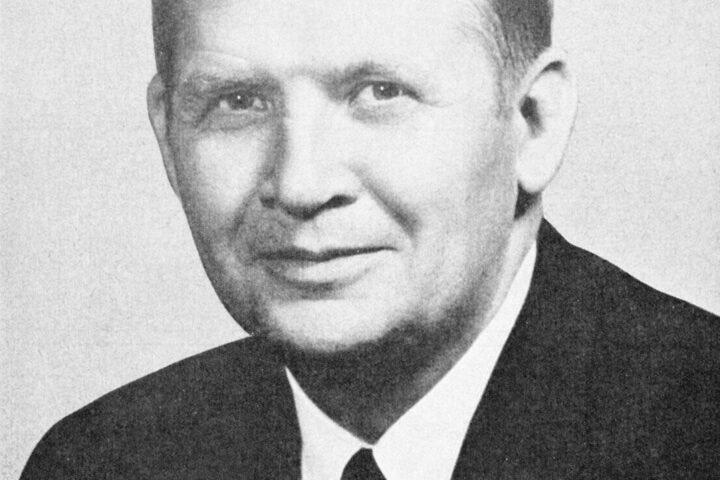
The keeper of that station was Richard Etheridge, a man who had been born enslaved on Roanoke Island. The surfmen who served under him were all Black. In an era when the federal government's rescue service was segregated in practice and few Black men held any authority in it, the Pea Island crew was a rare exception. Their work would not be formally honored for another hundred years.
From slavery to the surf
Richard Etheridge was born into slavery on Roanoke Island, in the sound country of northeastern North Carolina, before the Civil War. He came of age during the war and its aftermath, when the island's enslaved and free Black residents were part of the upheaval that followed Union control of the coast.
After the war Etheridge worked on the water, as many men of the sounds and banks did. He eventually joined the United States Life-Saving Service, the federal agency that maintained stations along the dangerous coastline to rescue sailors from shipwrecks.
The Life-Saving Service was a civilian agency under the Treasury Department. Its stations were staffed by surfmen who patrolled the beach, watched for vessels in distress and carried out rescues with boats, lines and rocket apparatus.
A station with an all-Black crew
In 1880 Etheridge was named keeper of the Pea Island station, in Dare County, making him the first Black keeper of a Life-Saving Station in the United States. The post placed him in charge of the station's crew, its equipment and its records.
Pea Island was an isolated stretch of sand between the Atlantic and the sound, and the station's work was demanding. Keepers were responsible for drilling their men, maintaining boats and apparatus, and patrolling the beach at night in all weather.
Under Etheridge the station's crew was made up entirely of Black surfmen. Such crews were uncommon, and the Pea Island station stayed with the same arrangement for decades, with Black men filling the keeper's post and the surfmen's places.
The rescue of the E.S. Newman
On October 11, 1896, the schooner E.S. Newman was caught in a storm off Pea Island and driven onto the beach. Surfmen from the station reached the wreck and worked to bring its crew ashore through the surf.
Accounts of the rescue, including National Park Service and Coast Guard histories, report nine people aboard the Newman, and say all of them were brought ashore. The accounts differ on method: several describe two volunteer swimmers hauling a line out to the wreck, while another describes a beach cart and rocket apparatus. No breeches buoy is mentioned in the sources reviewed.
The men of Pea Island did what they were trained to do, and the crew of the Newman came ashore alive. The rescue was not, however, followed by a medal or public honor for the station's crew at the time.
A long wait for recognition
For a century the Pea Island crew received no medal for the 1896 rescue. One account describes a plate as the only recognition the men received during that time, and the gold lifesaving medal that the government awarded for outstanding rescues did not come until much later.
In 1996 the United States Coast Guard, which had absorbed the Life-Saving Service in 1915, awarded gold lifesaving medals for the 1896 rescue. The honors went to Etheridge and the surfmen who had served with him, a century after the rescue.
The Pea Island station was decommissioned in 1947. Its story survives in the Pea Island National Wildlife Refuge, established on the same stretch of coast in the late 1930s, and in the Coast Guard's own account of its history.
Citation information
- Article title
- Richard Etheridge and the Pea Island Crew: The All-Black Lifesaving Station That Won the Gold Medal
- Author
- Melissa Claire
- Website name
- North Carolina Backstory
- URL
- https://northcarolinabackstory.com/richard-etheridge-and-the-pea-island-crew-the-all-black-lifesaving-station-that-won-the-gold-medal/
- Original published date
- November 16, 2026
We strive for accuracy and fairness. If you see something that doesn’t look right, contact us.