Editor’s picks

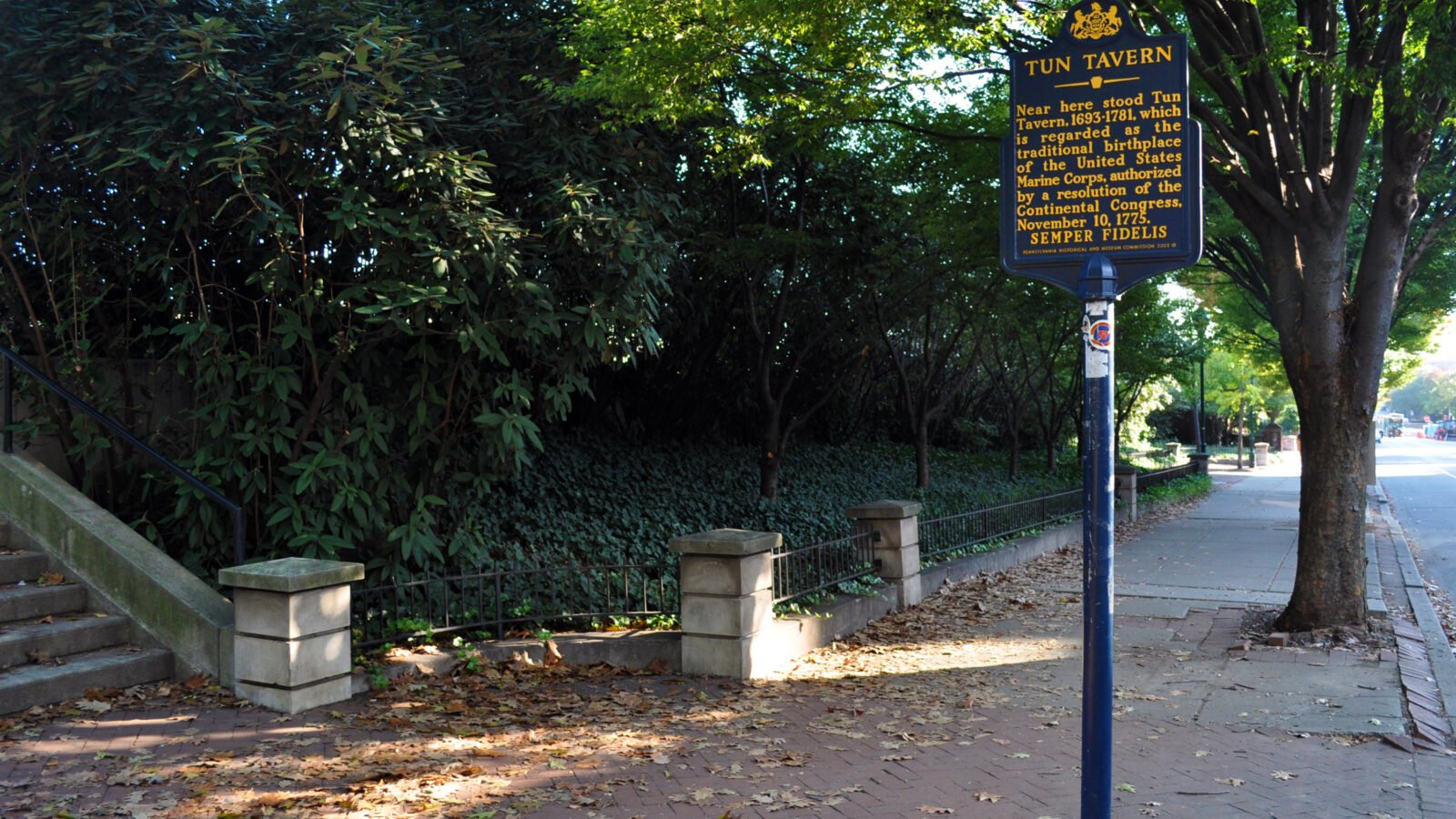
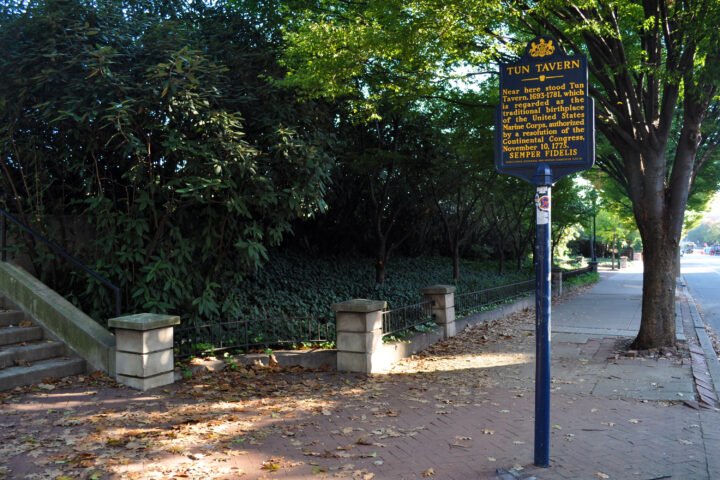
November 10, 1775: Congress Creates the Continental Marines
On November 10, 1775, Congress voted to raise two battalions of marines for a navy that barely existed. Congress authorized two full battalions, but no formal battalions were ever established; provisional units were formed as needed.
Trending

North Carolina
Hurricane Hazel, October 15, 1954: The Storm That Reshaped the Carolina Coast
Hazel hit the Carolina border at high tide on October 15, 1954, destroying or severely damaging most of Brunswick County's coastal dwellings and then racing inland with startling force.
Read the story
 20th Century
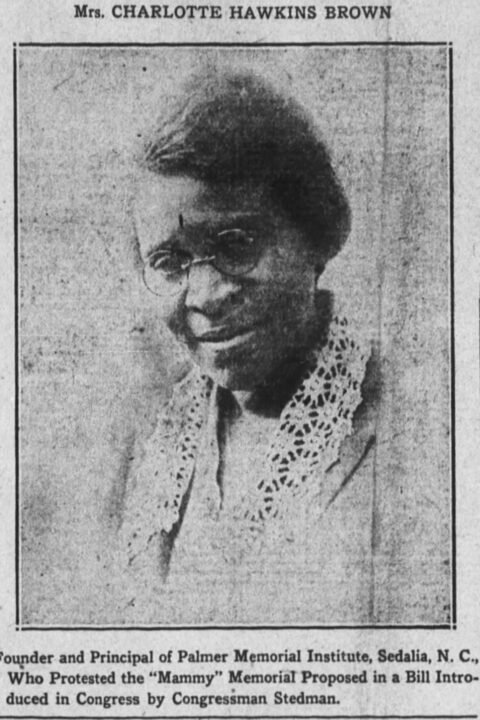
Charlotte Hawkins Brown and the Palmer Memorial Institute: Building a School for Black Students in Sedalia
1902
 20th Century
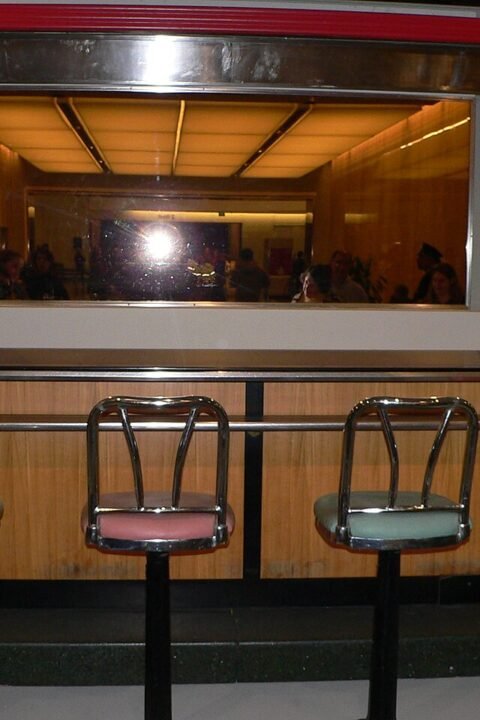
The Greensboro Sit-ins of 1960 and the Woolworth Lunch Counter
1960
 20th Century
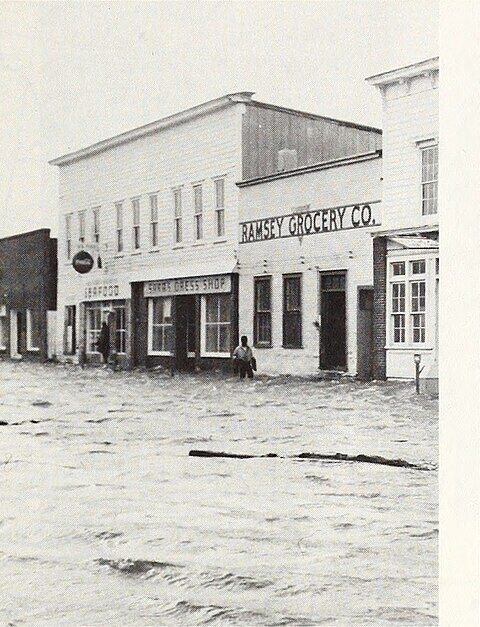
Hurricane Hazel, October 15, 1954: The Storm That Reshaped the Carolina Coast
1954
 20th Century
Battleship North Carolina: From the Brooklyn Navy Yard to the Cape Fear River
1941
 20th Century
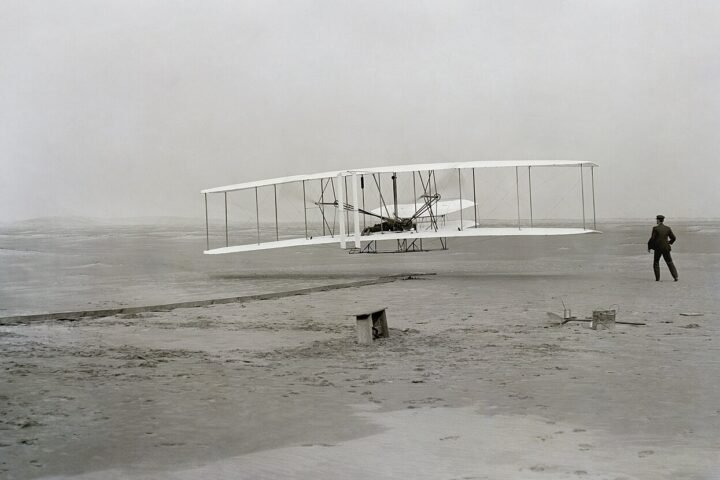
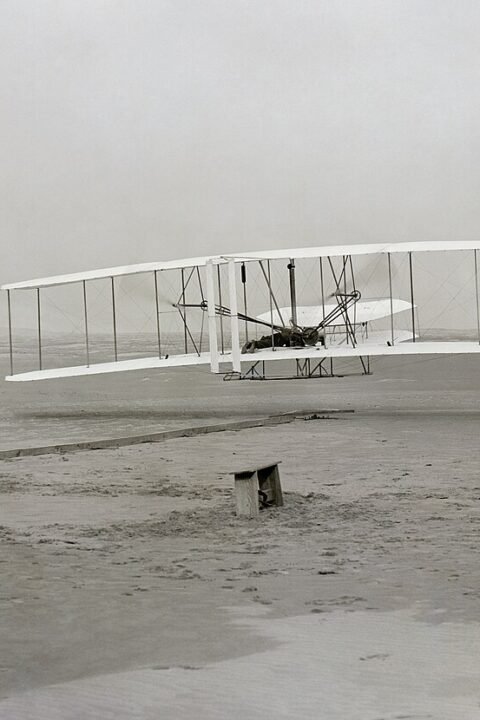
December 17, 1903: The Wright Brothers’ First Flights at Kill Devil Hills
1903
 20th Century
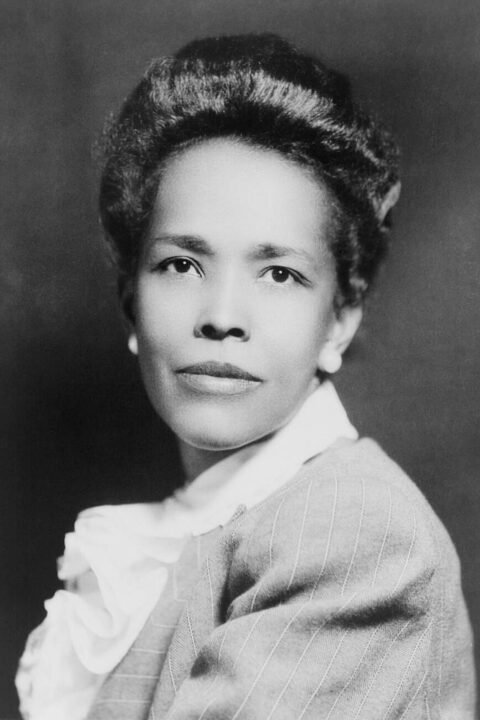
Ella Baker and the Founding of SNCC at Shaw University, April 1960
1960
 20th Century
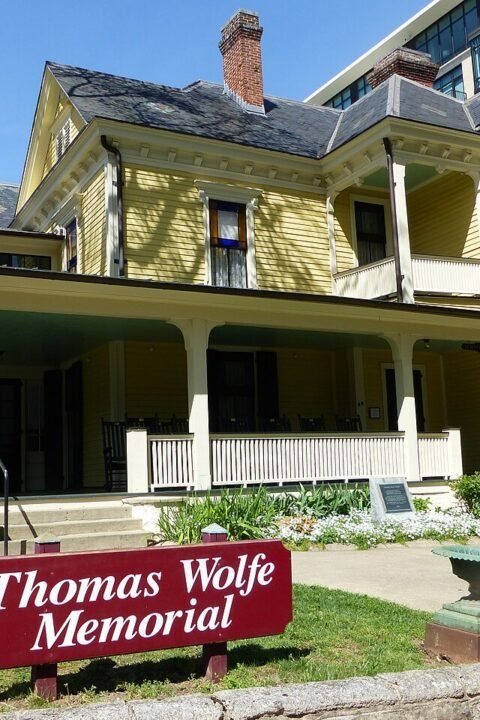
Look Homeward, Angel: Thomas Wolfe, Asheville and the Novel the Town Never Forgave
1929
 20th Century
The Battle of Hayes Pond, 1958: How the Lumbee Broke Up a Klan Rally
1958
 20th Century
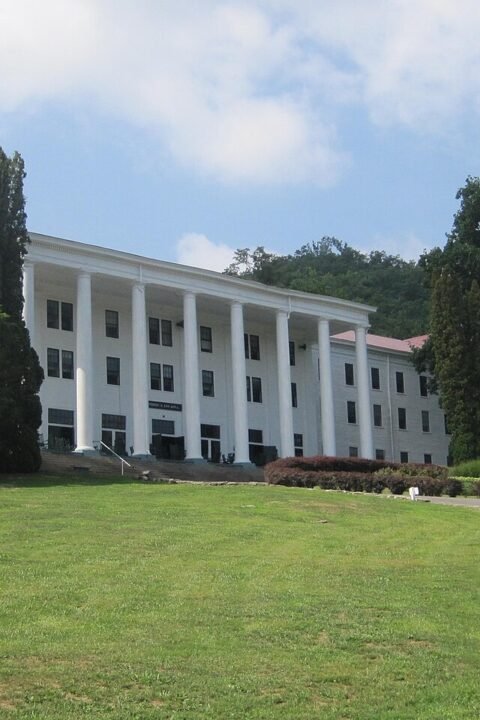
Black Mountain College: The Experimental School That Changed American Art
1933
 20th Century
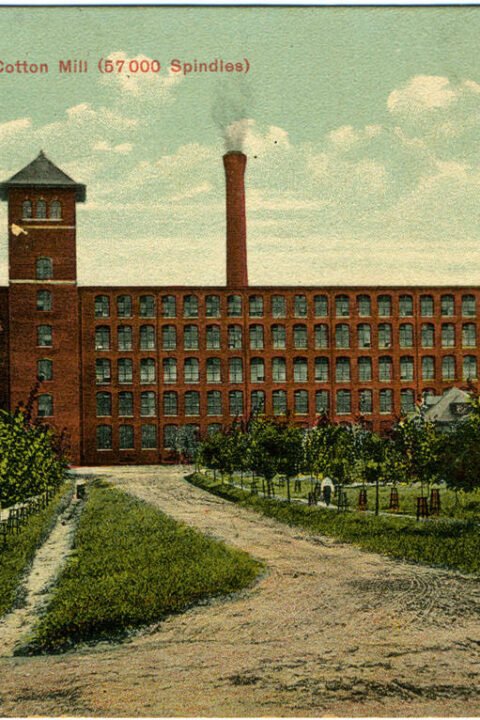
The Loray Mill Strike of 1929 and the Death of Ella May Wiggins
1929
 20th Century
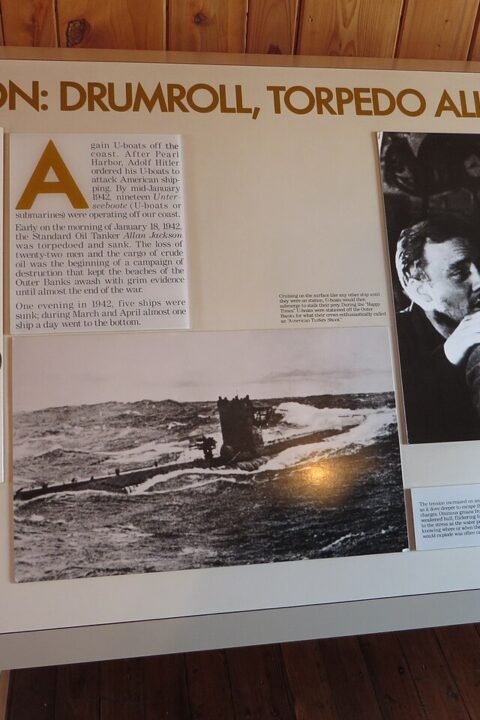
Torpedo Junction: German U-boats off the North Carolina Coast, 1942
1942
 20th Century
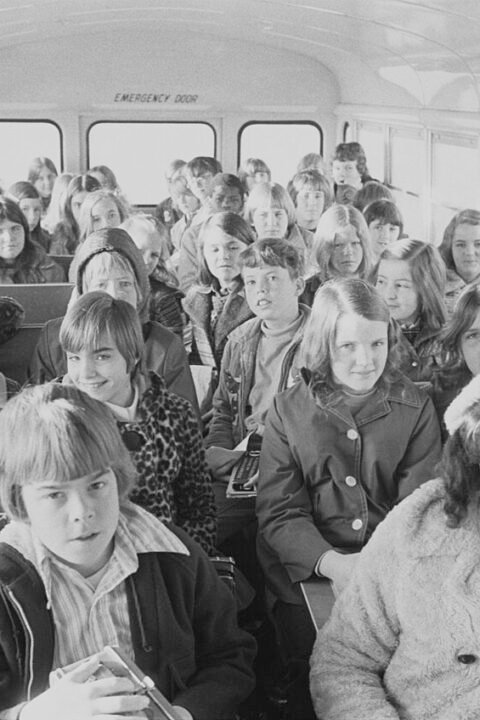
Swann v. Charlotte-Mecklenburg, 1971: The Supreme Court Case That Brought Busing to America
1971
U.S. History
November 10, 1775: Congress Creates the Continental Marines
On November 10, 1775, Congress voted to raise two battalions of marines for a navy that barely existed. Congress authorized two full battalions, but no formal battalions were ever established; provisional units were formed as needed.
Charlotte Hawkins Brown and the Palmer Memorial Institute: Building a School for Black Students in Sedalia
At 18, a Massachusetts-raised teacher stayed in rural Guilford County after her school closed. She built Palmer Memorial Institute into a nationally known school.
The Mecklenburg Declaration Controversy: Charlotte’s Disputed Claim to Independence in May 1775
Summary: A date on North Carolina's flag says Charlotte declared independence on May 20, 1775. Jefferson called the document spurious. The documents tell a more complicated tale.
The Battle of Elizabeth City and Roanoke Island, February 1862: The Union Seizes North Carolina’s Sounds
Within four days in February 1862, a Union amphibious force took Roanoke Island, wrecked the Confederate "Mosquito Fleet" and opened North Carolina's coast.
The Dismal Swamp Canal: George Washington’s Dream and the Enslaved Laborers Who Dug It
Dug by hand through a Virginia–North Carolina swamp, the Dismal Swamp Canal opened in 1805. Enslaved workers built it, and fugitives hid in the swamp around it.
November 10, 1775: Congress Creates the Continental Marines
On November 10, 1775, Congress voted to raise two battalions of marines for a navy that barely existed. Congress authorized two full battalions, but no formal battalions were ever established; provisional units were formed as needed.
The Battle of Elizabeth City and Roanoke Island, February 1862: The Union Seizes North Carolina’s Sounds
Within four days in February 1862, a Union amphibious force took Roanoke Island, wrecked the Confederate "Mosquito Fleet" and opened North Carolina's coast.

Battleship North Carolina: From the Brooklyn Navy Yard to the Cape Fear River
A battleship built in Brooklyn survived a torpedo hit and the Pacific war, then escaped the scrapyard thanks to a state that refused to let her go.
The Mecklenburg Declaration Controversy: Charlotte’s Disputed Claim to Independence in May 1775
Summary: A date on North Carolina's flag says Charlotte declared independence on May 20, 1775. Jefferson called the document spurious. The documents tell a more complicated tale.
The Dismal Swamp Canal: George Washington’s Dream and the Enslaved Laborers Who Dug It
Dug by hand through a Virginia–North Carolina swamp, the Dismal Swamp Canal opened in 1805. Enslaved workers built it, and fugitives hid in the swamp around it.

Tryon Palace: The Royal Governor’s Mansion and the Birth of a Colonial Capital
Governor William Tryon's brick mansion in New Bern was among the grandest buildings in colonial America. Its price angered taxpayers, and it burned in 1798.
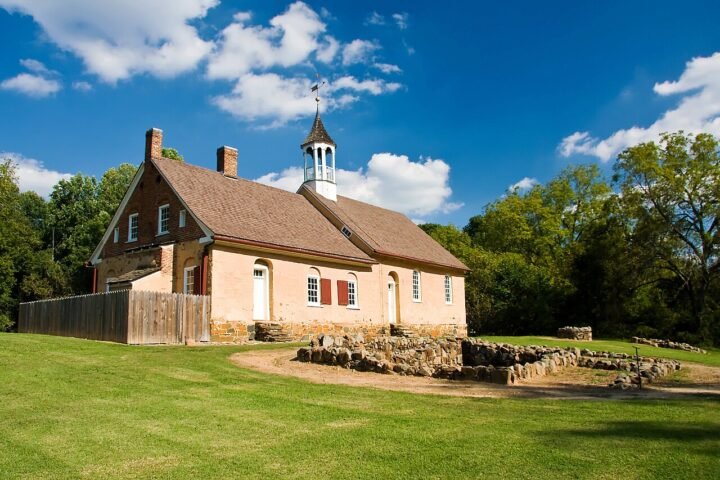
Bethabara, 1753: The Moravians Who Built a Wilderness Town in the Carolina Backcountry
In November 1753, a small party of Moravian men reached the North Carolina Piedmont. They built a planned, craft-based community among the backcountry farms.
More to explore
American Revolution
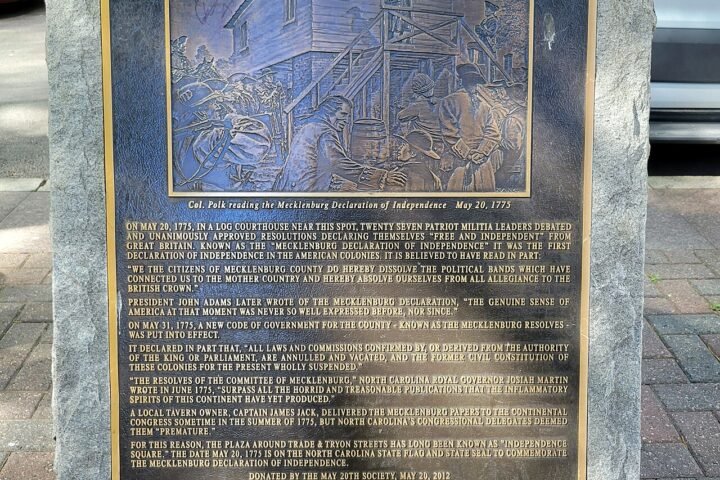 The Mecklenburg Declaration Controversy: Charlotte’s Disputed Claim to Independence in May 1775
The Halifax Resolves, April 1776: North Carolina’s Early Call for Independence
Moores Creek Bridge, 1776: The Short Battle That Crushed Loyalist North Carolina
See all 8 stories
Economy & Industry
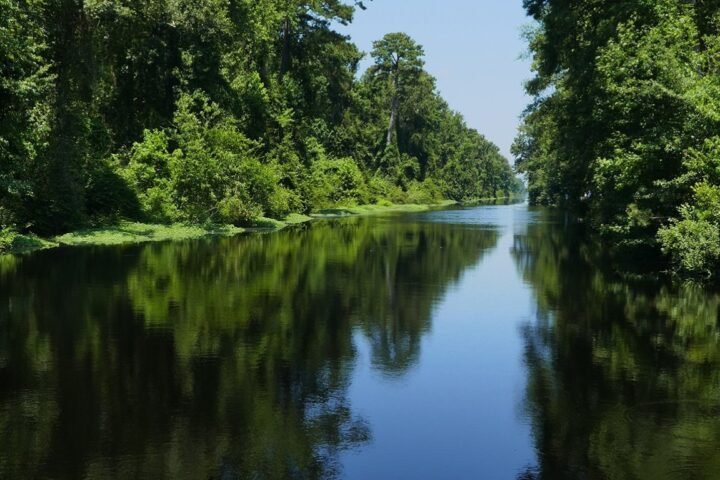 The Dismal Swamp Canal: George Washington’s Dream and the Enslaved Laborers Who Dug It
Research Triangle Park: How North Carolina Turned Pine Forest into a Research Hub
Research Triangle Park: How a Tobacco-and-Textile State Bet on Science
See all 8 stories
Civil War
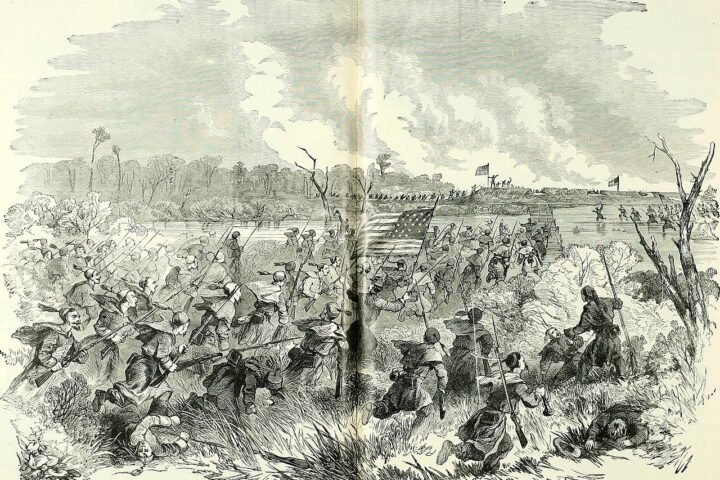 The Battle of Elizabeth City and Roanoke Island, February 1862: The Union Seizes North Carolina’s Sounds
Bentonville, March 1865: Johnston’s Last Gamble Against Sherman
The Fall of Fort Fisher, 1865: Closing the Confederacy’s Last Major Port
See all 7 stories
Science & Innovation
Research Triangle Park: How North Carolina Turned Pine Forest into a Research Hub December 17, 1903: The Wright Brothers’ First Flights at Kill Devil Hills Biltmore: George Vanderbilt’s Mountain Estate and the Birth of American Forestry See all 6 storiesArts & Culture
 Look Homeward, Angel: Thomas Wolfe, Asheville and the Novel the Town Never Forgave
Tryon Palace: The Royal Governor’s Mansion and the Birth of a Colonial Capital
Bethabara, 1753: The Moravians Who Built a Wilderness Town in the Carolina Backcountry
See all 5 stories
Civil Rights
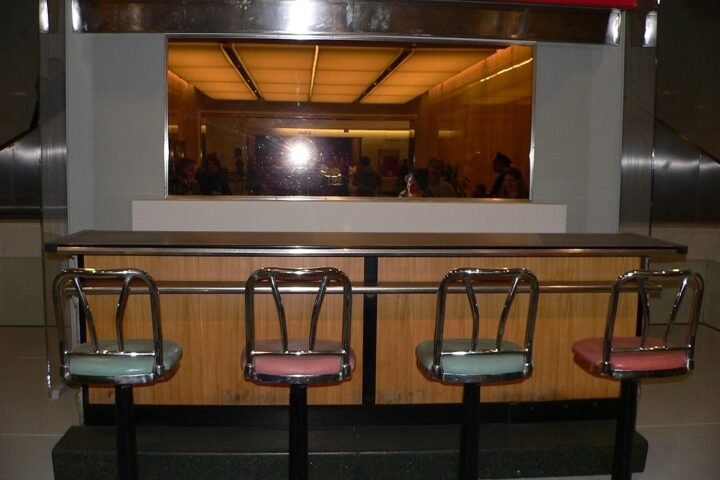 The Greensboro Sit-ins of 1960 and the Woolworth Lunch Counter
Ella Baker and the Founding of SNCC at Shaw University, April 1960
The Wilmington Coup of 1898: When a Multiracial Government Was Overthrown
See all 5 stories