Brad’s Drink Becomes Pepsi-Cola: Caleb Bradham and New Bern’s Soda Fountain
In 1898 a New Bern pharmacist renamed his fountain drink Pepsi-Cola. It grew into a national franchise business, then collapsed in bankruptcy 25 years later.
- When
- 1898
- Where
- New Bern, Craven County, North Carolina
On a summer day in the 1890s, a customer walks into a corner drugstore in New Bern, North Carolina, and sits at the marble counter. The man behind it is the owner, Caleb Bradham, who trained for medicine and ended up in pharmacy. He pours flavored syrup into a glass, adds carbonated water from the fountain, and slides the drink across the counter.
The customers called it Brad's Drink. On August 28, 1898, Bradham gave it a new name, Pepsi-Cola. The name outlasted his business, his fortune and the drugstore culture that produced it.
A doctor who became a druggist
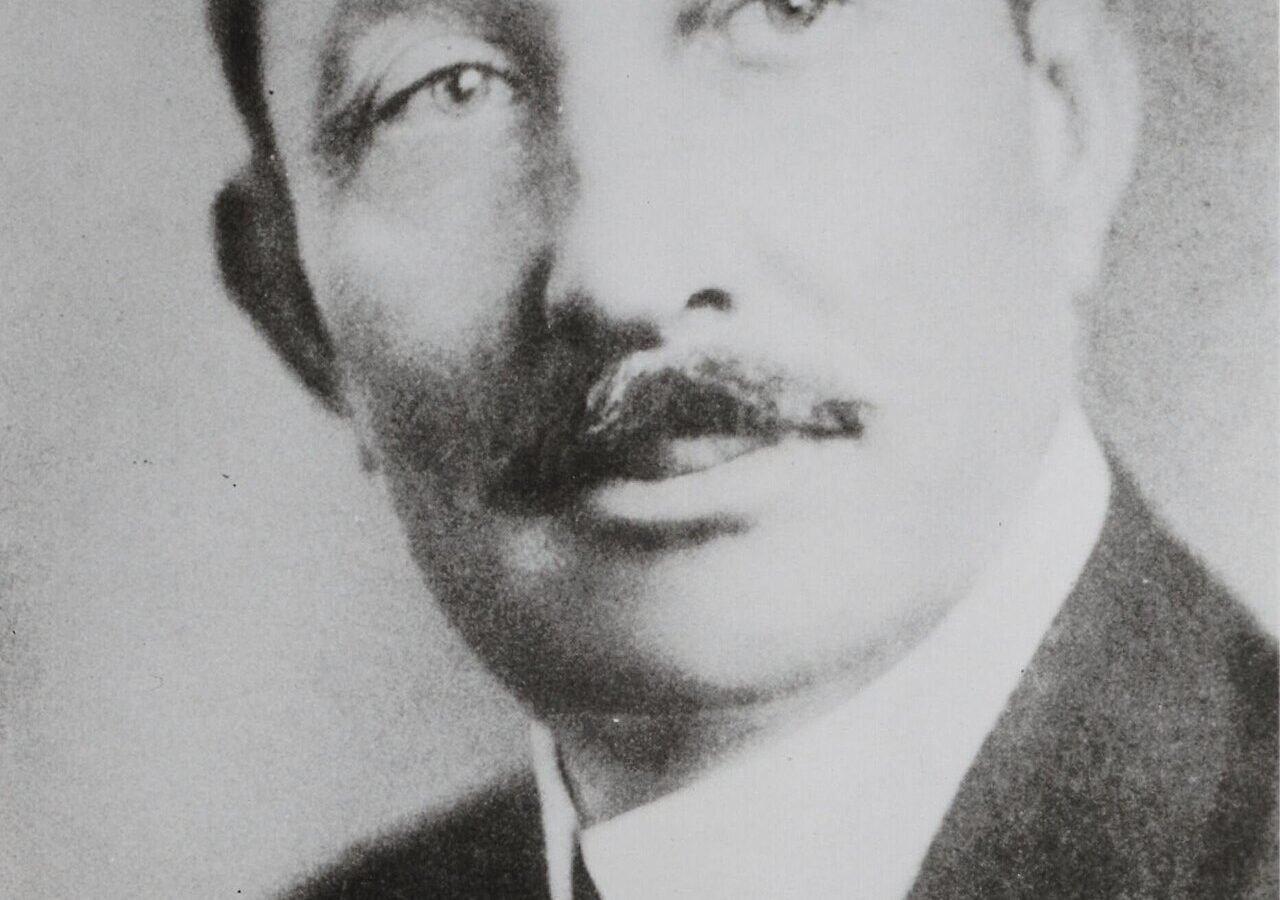
Caleb Davis Bradham was born in 1867 in Chinquapin, in Duplin County, North Carolina. He attended the University of North Carolina and then enrolled at the University of Maryland's medical school. Family money problems, usually traced to his father's business troubles, forced him to leave before he finished, and he turned to pharmacy instead.
He settled in New Bern, a port town at the meeting of the Neuse and Trent rivers, and took over a drugstore at the corner of Middle and Pollock streets. A druggist in a town that size was a trusted figure. People came to him for prescriptions, patent remedies and advice, and many also came to sit and talk.
The Southern drugstore fountain
Soda fountains had been part of American pharmacy for decades. Early druggists sold carbonated water as a health drink, in imitation of natural mineral springs, and then added flavored syrups to make it palatable. By the 1880s, fountain drinks had become a business of their own.
The South produced several of the best-known examples. John Pemberton, an Atlanta pharmacist, introduced Coca-Cola in 1886. Charles Alderton, a pharmacist in Waco, Texas, is credited with Dr Pepper in the mid-1880s. Each began as a drugstore counter drink with a medicinal pitch, usually aimed at headaches, fatigue or indigestion.
The fountain was also a social space. It was one of the few places where townspeople of different ages could gather without the associations of a tavern, and the man mixing drinks, later called a soda jerk, was often a local fixture.
From Brad's Drink to Pepsi-Cola
Bradham developed his own syrup at the fountain. The traditional date is 1893, though the evidence for an exact year is thin. He sold it as a drink that was pleasant and also good for digestion, a claim that fit the era's marketing of soda.
The new name, adopted on August 28, 1898, came from two sources. "Pepsi" is usually linked to dyspepsia, the old word for indigestion, and perhaps to the digestive enzyme pepsin. "Cola" referred to the kola nut, a source of flavor and caffeine. The name was a health claim in itself, and it stayed on the drink for good.
Bradham was a pharmacist and not a manufacturer, and for several years the drink stayed a local product. That changed in the early 1900s. He formed the Pepsi-Cola Company in 1902 and registered the trademark with the U.S. Patent Office in 1903.
A franchise empire, then a collapse
The key decision was to bottle the drink and sell the right to bottle it to others. Around 1905 Bradham began awarding franchises, first in North Carolina. Under this system, local bottlers bought syrup from the parent company and sold the finished drink in their own territories. By about 1910, the company is generally reported to have had franchised bottlers in more than 20 states.
The company's end is usually traced to sugar. During and just after the First World War, sugar prices swung sharply. Bradham, like many in the industry, bought heavily while prices were high. When they fell in 1920, he was left with costly stock, and the company never recovered. It went bankrupt in 1923.
Bradham returned to his drugstore in New Bern and died there in 1934. The Pepsi-Cola trademark and assets passed through several owners. A Wall Street financier, Roy Megargel, bought them in 1923, and the company failed again in the early 1930s before it was revived under new ownership. The brand that eventually became one of the largest in the world was no longer his.
Why the story matters
Bradham's story shows how a local pharmacist's counter product could become a national business in a few years. It also shows how thin the margin was for those who built these businesses without large capital behind them. Coca-Cola, with its Atlanta financing, survived intact, while Bradham lost his company to a commodity gamble.
In New Bern, the site at Middle and Pollock is still marked as the birthplace of Pepsi, and a store there sells the drink in a setting designed to recall the original fountain.
Citation information
- Article title
- Brad’s Drink Becomes Pepsi-Cola: Caleb Bradham and New Bern’s Soda Fountain
- Author
- admin
- Website name
- North Carolina Backstory
- URL
- https://northcarolinabackstory.com/brads-drink-becomes-pepsi-cola-caleb-bradham-and-new-berns-soda-fountain/
- Original published date
- July 5, 2026
We strive for accuracy and fairness. If you see something that doesn’t look right, contact us.