Halifax, November 1776: The Congress That Wrote North Carolina’s First State Constitution
In a Halifax courthouse in late 1776, North Carolina's delegates wrote a constitution, a Declaration of Rights, and chose a governor. Their choices shaped who could vote for decades.
- When
- 1776
- Where
- Halifax, Halifax County, North Carolina
On a Tuesday in November 1776, delegates from across North Carolina rode into Halifax, a river town on the Roanoke in the northeast of the colony. They came to the courthouse with a problem few of them had faced before. Britain had not yet been driven from the colonies, the Continental Congress had just declared independence, and the royal governor had fled, leaving the provincial congresses to act as the colony's de facto government.
The Fifth Provincial Congress convened on November 12, 1776. Over the next six weeks the delegates would write the state's first constitution and a Declaration of Rights, and they would choose Richard Caswell as the first governor. The decisions they made in that courthouse set the terms of political life in North Carolina for nearly sixty years.
A colony already at war
North Carolina had moved toward independence well before the fall of 1776. In February 1776, Patriot militia under Richard Caswell defeated a force of Loyalist Highlanders at Moore's Creek Bridge, a victory that diminished British influence in the colony. About six weeks later, the Fourth Provincial Congress, also meeting in Halifax, adopted the Halifax Resolves on April 12, 1776, which authorized the colony's delegates in the Continental Congress to vote for independence.
By the time the Fifth Congress met, the provincial congresses were the only working government the colony had. They raised troops, issued bills of credit and organized an army, but they had no written constitution.
Six weeks of debate
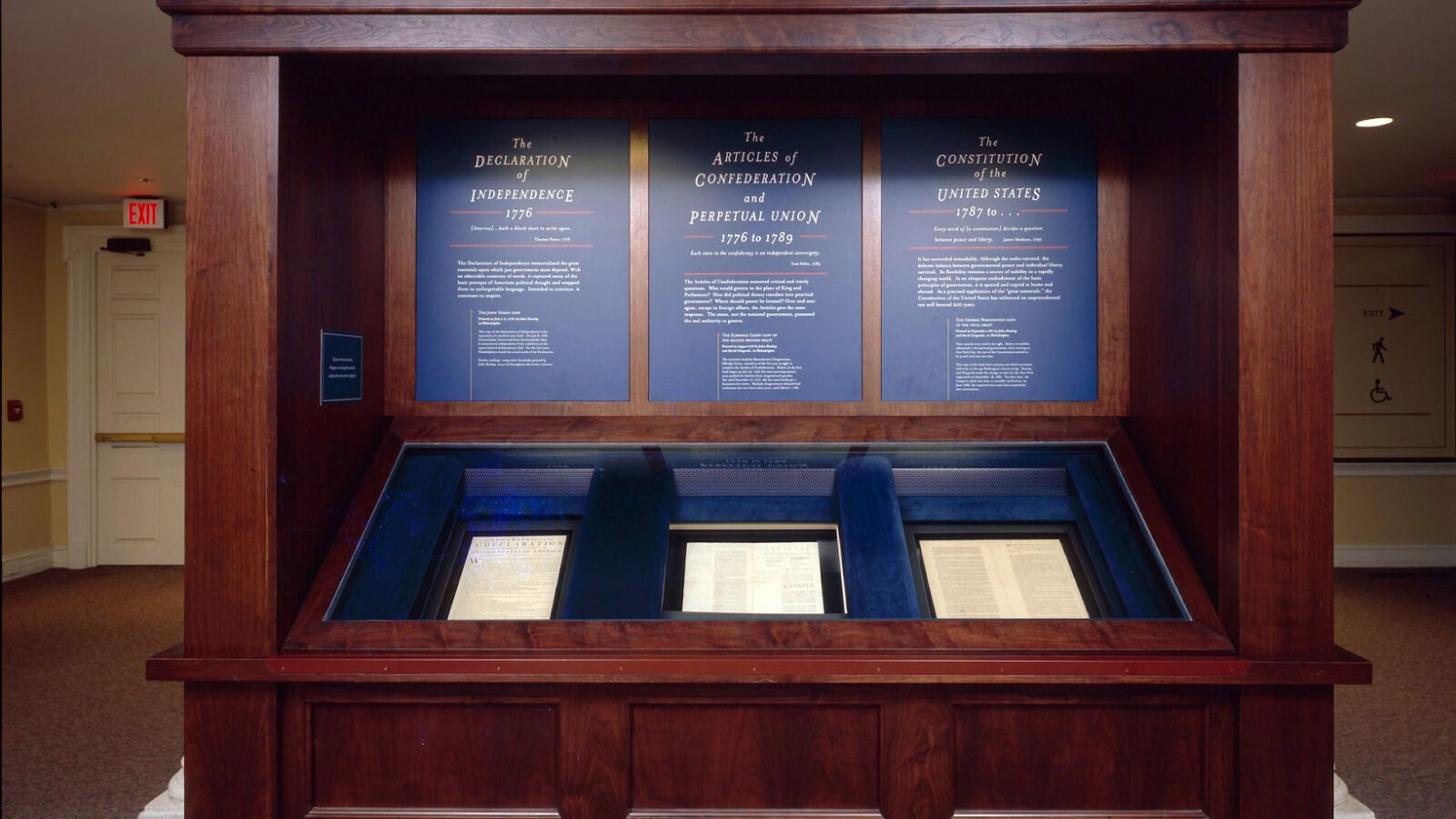
The Declaration of Rights, adopted on December 17, 1776, listed basic rights including freedom of religion and the right to a fair trial. The delegates added their own provisions on religious freedom, though the constitution still limited officeholding to Protestants.
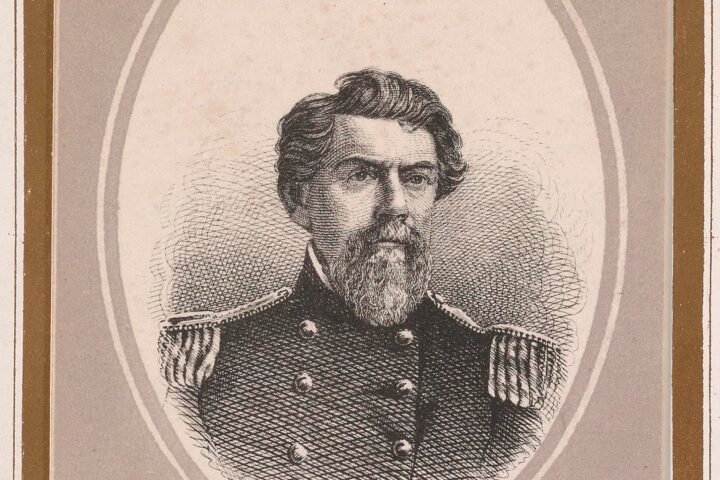
After the constitution was adopted on December 18, the Congress elected Richard Caswell, a militia commander from Dobbs County, as governor. Accounts differ on the exact date, with some giving two days after the constitution's adoption and others December 23. Caswell had been a prominent figure in the provincial movement, and his election gave the new government a leader already known to the militia and the assembly. The Congress adjourned later that month.
Who could vote and hold office
The constitution divided the state's government into a General Assembly of two houses, a House of Commons and a Senate, along with the governor and the courts. Members of the House of Commons were chosen by voters in each county, and the Senate sent one member per county, with higher property requirements for senators. The governor was chosen annually by joint ballot of both houses, and the document limited how many terms a governor could serve within a set period.
The franchise was broad by the standards of the day but not universal. The constitution gave the vote to free men who were at least 21, had lived in their county for a year, and paid public taxes. Only free men could vote, so enslaved people were excluded. Women did not vote. Officeholders had to meet property and religious requirements, and the governor needed substantial landed wealth.
The document was nonetheless a real break with the past. Authority now came from a written instrument adopted by elected delegates, not from a royal commission.
Free Black voters and the 1835 change
The 1776 constitution did not mention race in its voting clause. It granted the vote to freemen who met its tax and residence rules. In practice, that language allowed free Black men who owned property and paid taxes to vote in North Carolina for more than half a century, and records show that some did.
The question was reopened in the 1830s. A state constitutional convention met in 1835 and changed the voting qualification to limit the franchise to white male taxpayers. The change ended the right that free Black men had held since 1776 and was part of a broader hardening of racial laws in the decades before the Civil War.
What is clear is that the 1835 convention took away a right that the 1776 wording had left open, and that the change came from political choices made by later generations.
What the Halifax document left behind
The constitution of 1776 remained North Carolina's basic law until the state adopted a new constitution in 1868, after the Civil War. The frame of a bicameral legislature and a governor chosen by the legislature carried through the early republic, though later revisions changed much of it.
The Halifax delegates left a written constitution and a list of individual rights, and under it the governor was answerable to an elected legislature.
Citation information
- Article title
- Halifax, November 1776: The Congress That Wrote North Carolina’s First State Constitution
- Author
- admin
- Website name
- North Carolina Backstory
- URL
- https://northcarolinabackstory.com/halifax-november-1776-the-congress-that-wrote-north-carolinas-first-state-constitution/
- Original published date
- November 12, 2026
We strive for accuracy and fairness. If you see something that doesn’t look right, contact us.