Fayetteville, November 1789: The Second Convention That Brought North Carolina into the Union
North Carolina said no to the Constitution in 1788. More than a year later, a second convention in Fayetteville voted yes, and the state's politics had shifted.
- When
- 1789
- Where
- Fayetteville, Cumberland County, North Carolina
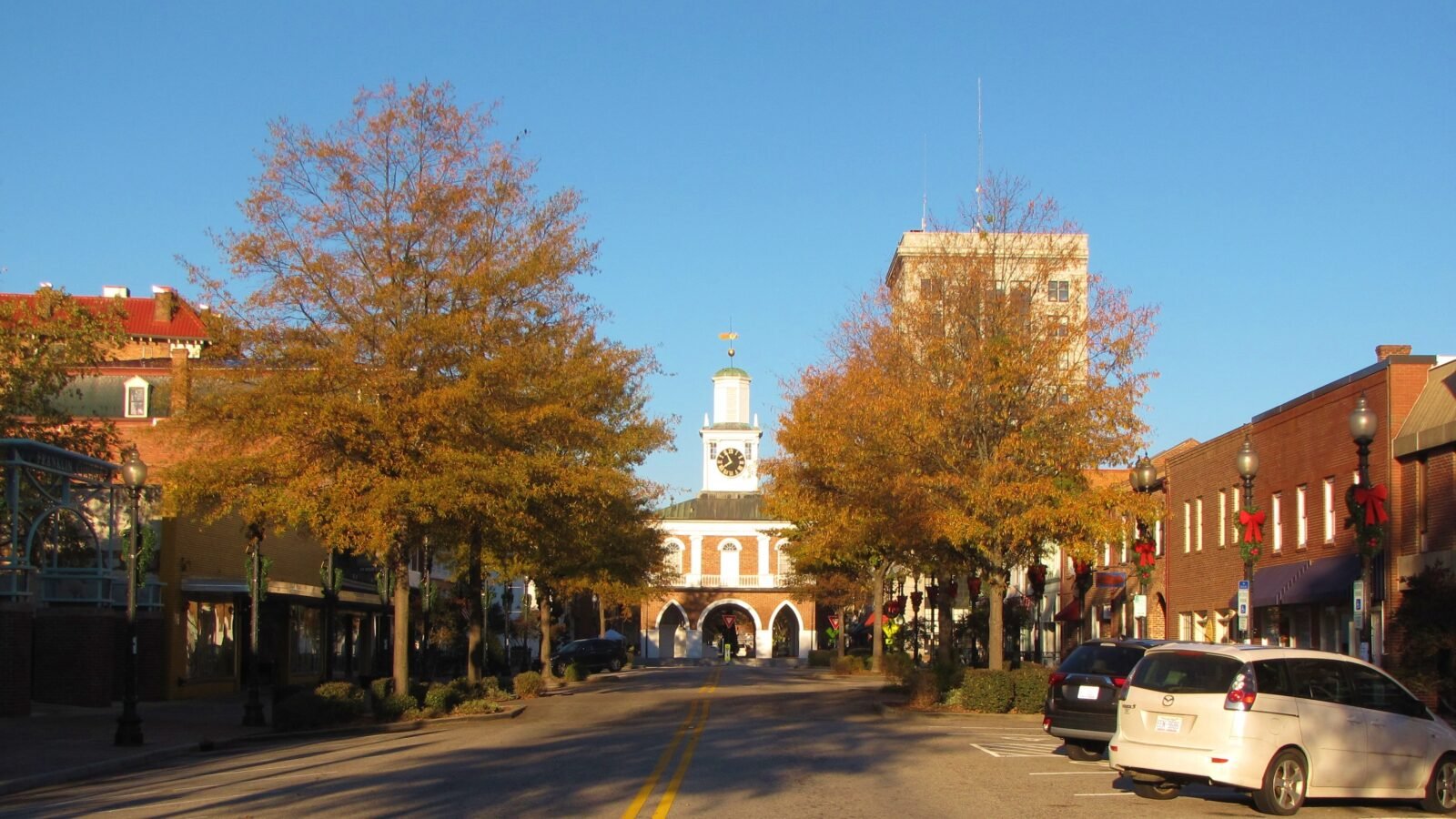
In November 1789, delegates gathered in Fayetteville, a river town at the head of navigation on the Cape Fear River. They had come to answer a question North Carolina had already refused once: would the state join the new federal Union under the Constitution?
A year and a few months earlier, the state's convention had given a different answer. The stakes of the second vote were not only about the Constitution. They were about whether North Carolina would stay outside the national government that was already operating in New York.
A state that said no
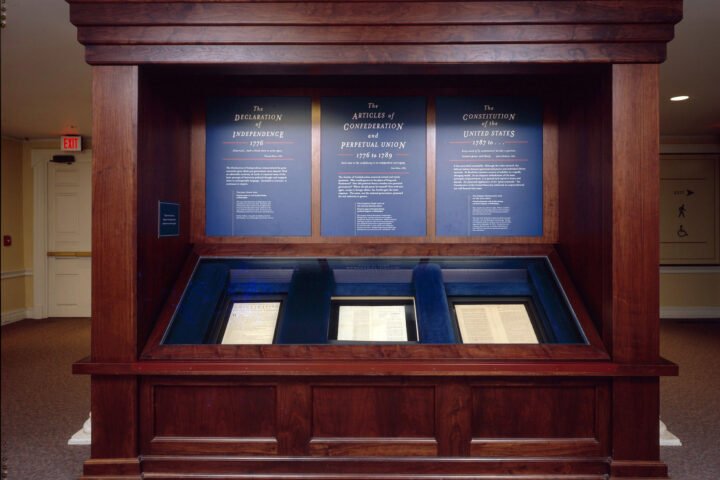
North Carolina's first ratifying convention met at Hillsborough in July 1788. Many delegates wanted a bill of rights before they would sign on.
The Hillsborough convention voted 184 to 84 neither to ratify nor to reject the Constitution, and it adjourned on August 2, 1788 without approving the document. Delegates recommended a list of amendments and left the door open for a later vote. Federalists, who supported the Constitution, had lost the argument in that room.
The result left North Carolina outside the new government when it began operating in 1789. Rhode Island was also still outside the Union at that time.
Why the state voted again
Between the two conventions, the political ground moved. The First Congress met in New York in the spring of 1789, and George Washington took the oath of office as president on April 30. Congress also began passing laws that drew on the new powers of the federal government, including the tariff act of July 4, 1789.
On September 25, 1789, Congress sent the states a set of amendments that became the Bill of Rights. For many North Carolina opponents, that was the change they had asked for at Hillsborough. Federalists pressed the case that the state should not stay out while others shaped the new system.
The General Assembly had already called a new convention in November 1788, and Fayetteville, a town formed from Cross Creek and Campbellton and renamed in 1783, was chosen as the meeting place.
A week of argument in Fayetteville
The delegates debated for five days before the final vote. Federalist leaders, including William Davie, pressed for ratification. Opponents still wanted amendments, and the convention paired its ratification with a recommendation that Congress consider a set of amendments.
The vote
On November 21, 1789, the convention voted to ratify the Constitution, 194 to 77. The Documentary History of the Ratification of the Constitution, a published collection of records from the ratification debates, gives that count, although some other accounts report 195 to 77.
With the vote recorded, North Carolina became the twelfth state to ratify the Constitution. Rhode Island, which had also rejected the document in 1788, did not ratify until May 1790, and it became the last of the original thirteen to join.
What the vote meant
The Fayetteville convention ended North Carolina's position outside the Union. It also left a question unresolved: the amendments the Hillsborough delegates had asked for had been sent to the states in 1789 but were not yet part of the Constitution. North Carolina's legislature ratified all twelve proposed amendments in December 1789.
For the people of Fayetteville, the week was a moment when a regional dispute became a national one. The town's convention showed how a state could reverse a decision within a little more than a year, not by accepting every argument of its opponents, but by deciding that the costs of staying out had become too high.
Citation information
- Article title
- Fayetteville, November 1789: The Second Convention That Brought North Carolina into the Union
- Author
- admin
- Website name
- North Carolina Backstory
- URL
- https://northcarolinabackstory.com/fayetteville-november-1789-the-second-convention-that-brought-north-carolina-into-the-union/
- Original published date
- November 12, 2026
We strive for accuracy and fairness. If you see something that doesn’t look right, contact us.