The 1840 Treaty of Nation Ford: How the Catawba Lost Their Carolina Lands
In 1840 the Catawba agreed to give up their last large Carolina land at Nation Ford. The promised replacement arrived only in part, and the tribe spent more than a century contesting the deal.
- When
- 1840
- Where
- Nation Ford, York County, South Carolina, and the Catawba River border with North Carolina
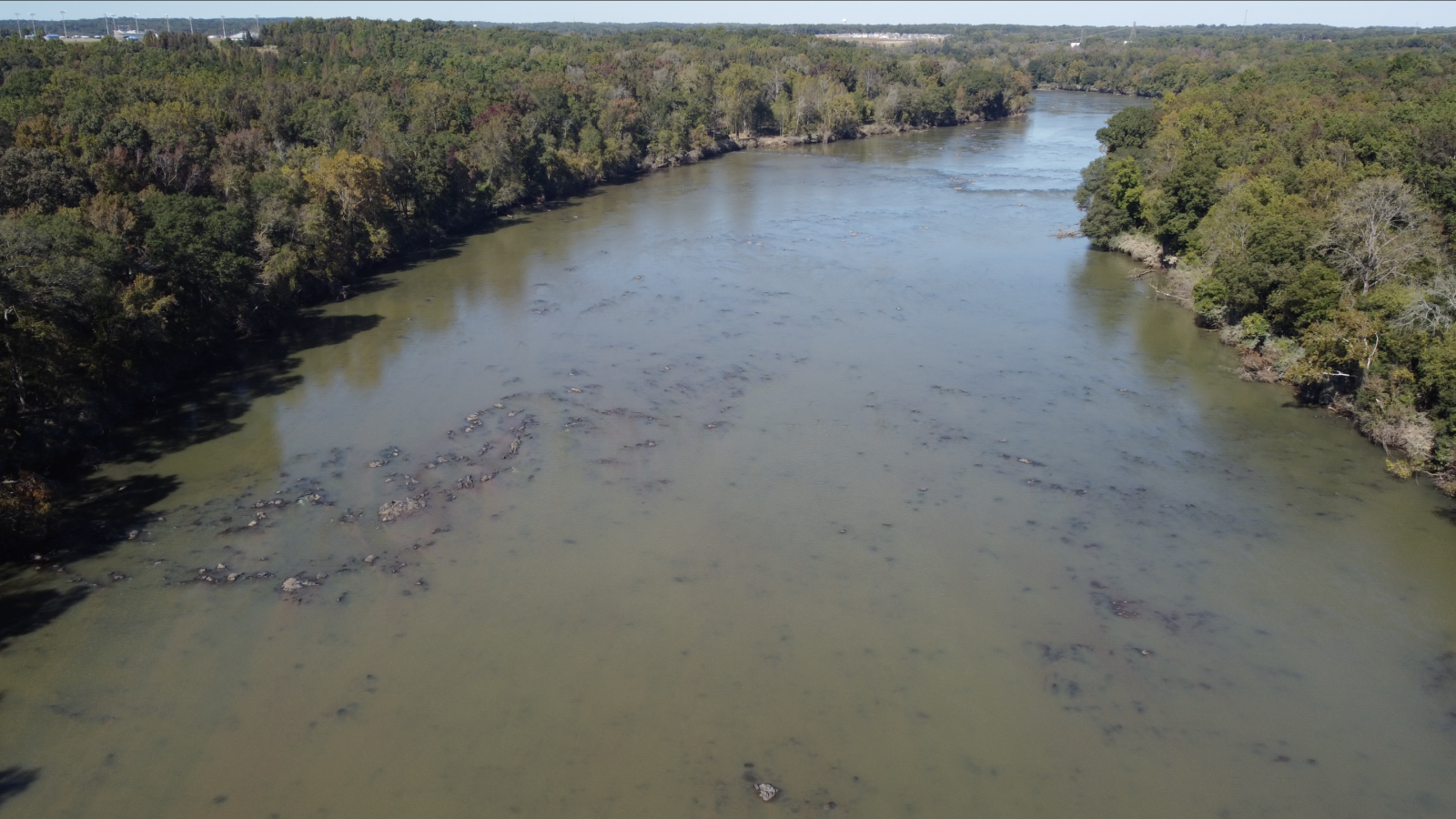
In 1840, Catawba men and their leaders met at Nation Ford, a crossing on the Catawba River in York County, South Carolina. The river had long served as a route for travelers and traders, and the Catawba had lived along it for generations before Europeans arrived. By then, the reservation was the nation's main remaining land base, though nearly all of it had been leased to outsiders.
What the Catawba agreed to there reshaped their community for more than a century. The deal traded their Carolina land for a promise of a new home, and the promise was kept only in part. The dispute it created did not end until the late twentieth century.
A reservation that kept shrinking
The Catawba held a reservation in the Carolina Piedmont that colonial authorities set aside in the 1760s. It was originally about 144,000 acres, a very large area for a people already reduced by disease and war. Smallpox struck the Catawba hard in the late 1750s, and the nation's numbers fell sharply in the years that followed.
Over the next several decades, the reservation was whittled down. Settlers leased much of the land, and by the 1830s nearly all of the 144,000 acres had been leased to non-Indians. The Catawba were left with little to bargain with, and they were reduced to severe hardship.
The state of South Carolina, not the federal government, carried out the negotiations. The state made repeated efforts to buy the Catawba's remaining land, and the treaty was made without federal involvement.
The May 1840 agreement
The agreement was signed at Nation Ford in 1840. The Catawba ceded their remaining reservation in South Carolina. In return, the state promised to buy about 300 acres of land for the tribe, with North Carolina named as one possible location, and to pay the nation money in a cash sum and annual installments.
The deal was made under state authority. Federal law of the period, in the Nonintercourse Act (part of the Trade and Intercourse Acts), generally required federal approval for transfers of Indian land. The Catawba later argued that this requirement made the 1840 cession invalid, a point that became the center of their legal claims.
For the Catawba, the choice was stark. Staying meant living with shrinking land and mounting pressure from neighbors. Moving meant leaving the land around the ford where their ancestors had lived.
A promise kept only in part
The state's replacement fell well short of the treaty's terms. The land it actually bought was a 630-acre tract inside the old South Carolina reservation, not land in North Carolina. Many Catawba had returned to the ceded land, where they lived on scattered holdings rather than on a single secure reservation.
The Catawba contended that the state did not perform its obligations. The Supreme Court described the state as delaying the purchase by about two and a half years and reportedly spending $2,000 rather than $5,000, and the state withheld cash payments because the Catawba had returned to the ceded land. What is clear is that the tribe did not regain a secure, continuous land base after 1840; the state still holds the 630-acre tract for the Catawba. The state's promises did not produce the settlement the Catawba had expected.
Leasing also cost the tribe dearly. Rents were often paid in goods such as horses, cows and quilts, at prices set by the lessees, and the Supreme Court described the Catawba as reduced to starvation and distress.
A century of legal challenges
The Catawba pressed their claims for decades. In 1908 the South Carolina attorney general concluded the tribe had no outstanding claim to the 144,000 acres, and the tribe continued to press its case. Congress's Indian Claims Commission Act of 1946 set a five-year window for filing claims, and later courts found many of the tribe's historical claims time-barred. The dispute reached the U.S. Supreme Court in 1986, in South Carolina v. Catawba Indian Tribe, Inc., which held that South Carolina's statute of limitations applied to the tribe's land claim.
The legal fight did not return the land. Earlier, a federal official had described the Catawba as state Indians for whom the federal government had no responsibility, which weakened the tribe's federal claim. The Supreme Court's 1986 ruling applied state limitations law to the tribe's claim.
The dispute was finally settled by the 1993 settlement legislation, under which the tribe received about $50 million in compensation, a reservation in York County, and restored federal recognition. In exchange, the tribe gave up further legal action against South Carolina. The settlement did not undo the 1840 treaty, but it ended a grievance that had lasted more than 150 years.
Citation information
- Article title
- The 1840 Treaty of Nation Ford: How the Catawba Lost Their Carolina Lands
- Author
- John. H.
- Website name
- North Carolina Backstory
- URL
- https://northcarolinabackstory.com/the-1840-treaty-of-nation-ford-how-the-catawba-lost-their-carolina-lands/
- Original published date
- November 16, 2026
We strive for accuracy and fairness. If you see something that doesn’t look right, contact us.