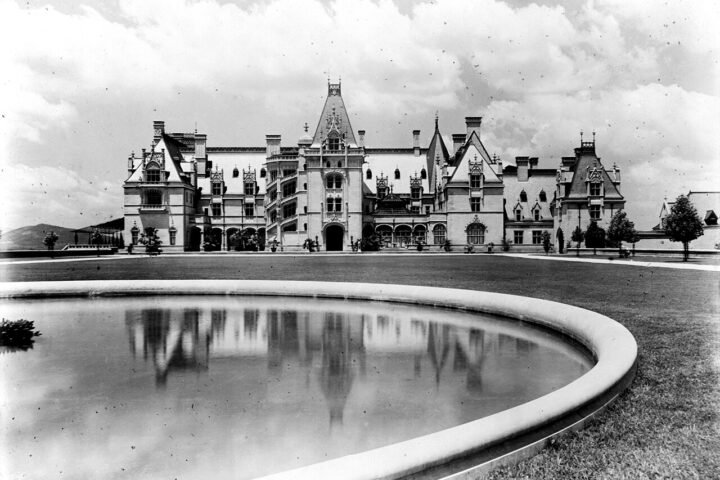
Biltmore: George Vanderbilt’s Mountain Estate and the Birth of American Forestry
George Vanderbilt's Asheville château opened on Christmas Eve 1895. Its woodlands became a testing ground for American forestry and its first forestry school.
Thomas Wolfe's 1929 novel turned his Asheville boyhood into 'Altamont,' and the town recognized itself at once. It took years for the anger to cool.
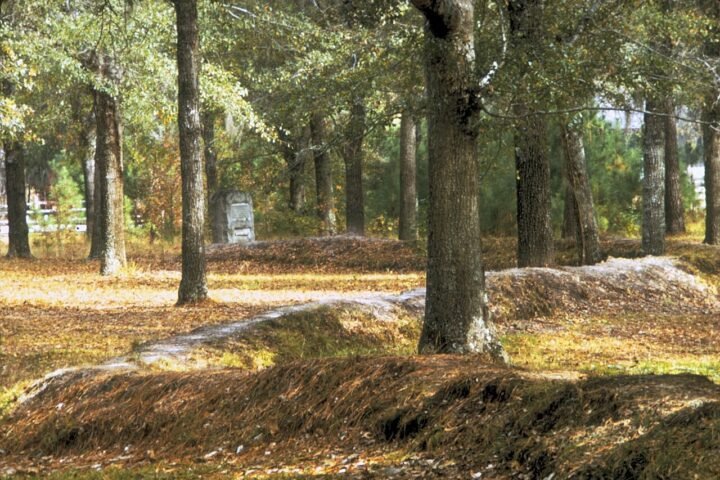
In March 1865, a battered Confederate army struck Sherman's column in the North Carolina pines. It nearly broke the Union left, then lost the war's last big offensive.
Governor William Tryon's brick mansion in New Bern was among the grandest buildings in colonial America. Its price angered taxpayers, and it burned in 1798.
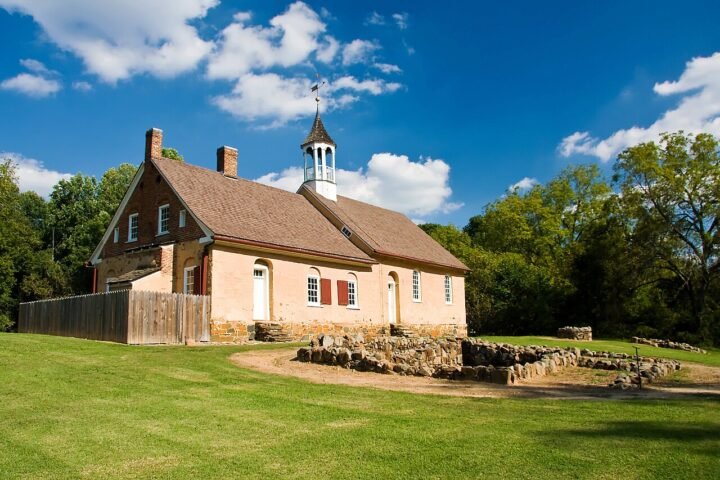
In November 1753, a small party of Moravian men reached the North Carolina Piedmont. They built a planned, craft-based community among the backcountry farms.
In 1838 soldiers swept the Cherokee from their homes. In the mountains of western North Carolina, a few hundred escaped, and the story of Tsali still divides memory from history.
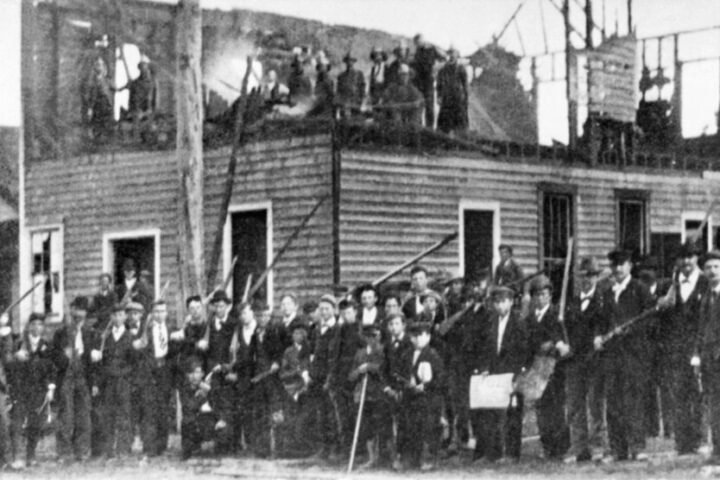
In November 1898, armed white men in Wilmington, North Carolina, burned a Black newspaper, killed residents and forced out the elected city government.
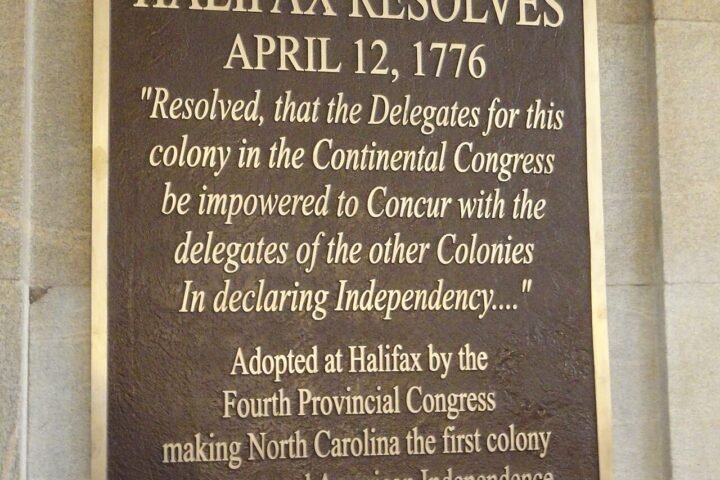
In April 1776, delegates in a small Roanoke River town told North Carolina's men in Philadelphia they could vote for independence. The wording was careful.
In a few minutes before dawn on February 27, 1776, a Loyalist army met musket fire at a stripped bridge near Wilmington. North Carolina's royal government never recovered.
In the 1950s, North Carolina's leaders tried to turn pine woods between three universities into a research park. For years it looked like a long shot.