Harrah’s Cherokee Casino Opens, November 1997: How a Mountain Reservation Built North Carolina’s First Casino
On November 13, 1997, a casino opened on the Qualla Boundary, bringing casino gaming to North Carolina after years of negotiation between the tribe, the state and federal agencies.
- When
- 1997
- Where
- Cherokee, Swain and Jackson counties, North Carolina
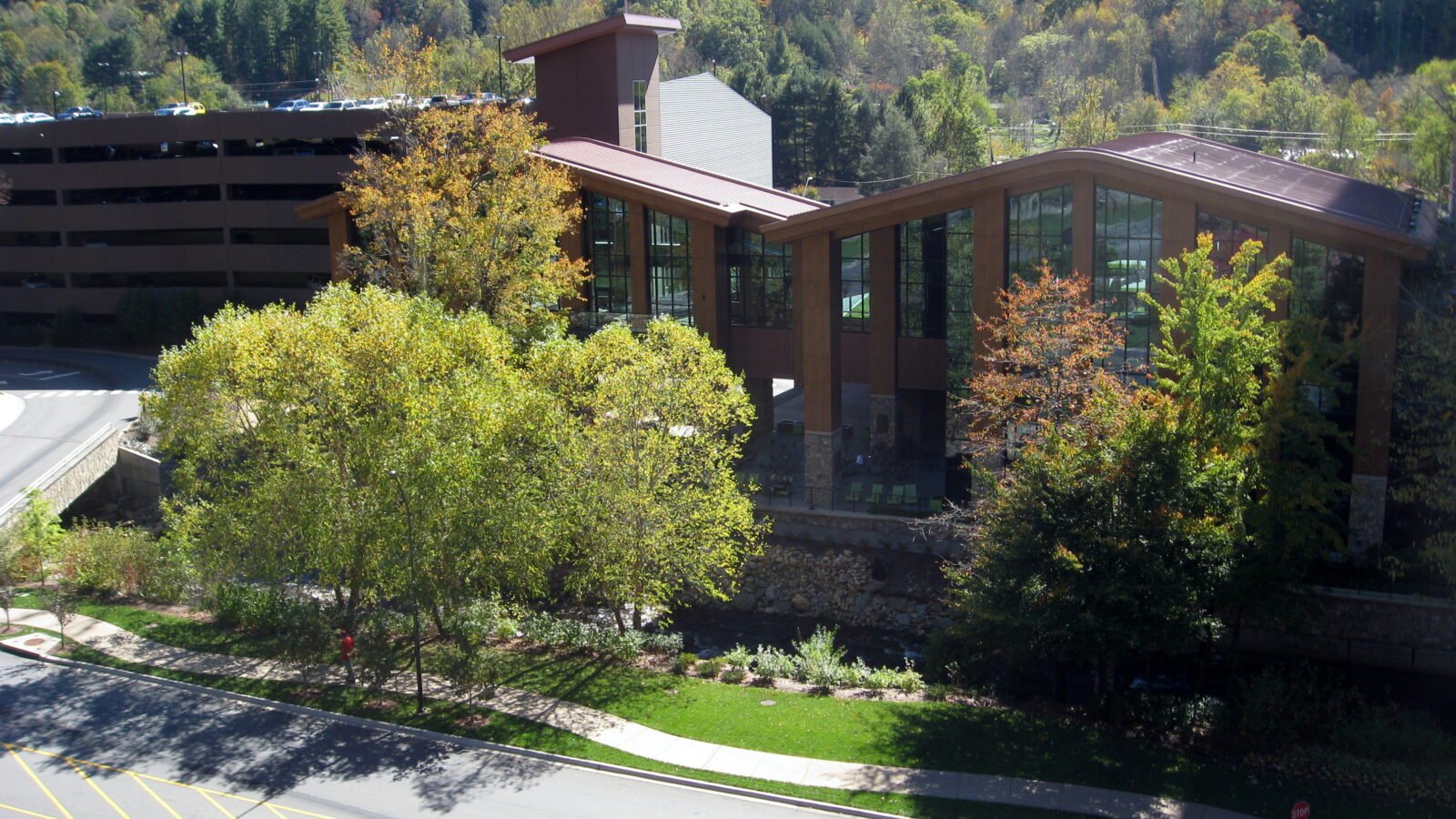
.On November 13, 1997, the doors opened on a casino in the mountains of western North Carolina, and for the first time a major gambling operation was operating in the state. It did not stand in a city. It sat on the Qualla Boundary, the reservation of the Eastern Band of Cherokee Indians, in the town of Cherokee.
The casino's opening was the end of a long argument, not the start of one. For several years before it opened, tribal leaders, state officials and federal agencies disagreed over whether the Eastern Band could run casino games on its land, and under what terms. The result changed the economy of two mountain counties and tested how far tribal sovereignty reached in practice.
A state that did not allow casinos
In the late 1980s, Congress set the rules for tribal gaming with the Indian Gaming Regulatory Act of 1988. The law allowed tribes to operate gaming on their land, but casino-style games, which the law called Class III gaming, required a compact between the tribe and the state. A state could be asked to negotiate in good faith, but it was not required to agree to any particular deal.
North Carolina had no casinos before 1997. That made the Eastern Band's position more complicated than it was for tribes in states that already allowed some form of casino gambling. The tribe had to persuade a state government that had no obvious reason to share that business to sign a compact at all.
The Eastern Band had its own reasons for pushing. The Qualla Boundary is land held in trust for the tribe, and the tribe sought economic diversification and a revenue source it could control.
A decade of negotiation
Talks between the tribe and the state over the terms of a compact were slow and took years to resolve. The tribe and state officials each had their own interests at stake.
The rules of the game changed in 1996. In Seminole Tribe of Florida v. Florida, the U.S. Supreme Court ruled that states could not be sued in federal court to force them into compact talks under the Indian Gaming Regulatory Act. That ruling weakened the tribe's main legal tool. It meant the eventual agreement depended on negotiation and political will rather than on a court order.
The compact also needed approval from the U.S. Department of the Interior, a federal review step that stood between negotiation and opening day.
Opening day and the first casino
The casino that opened in November 1997 was operated under a management agreement with Harrah's Entertainment, a gaming company. The tribe owned the enterprise and held the land, while Harrah's supplied operating expertise that the tribe's new venture needed.
The resort grew in later years. A gaming floor expansion opened in 2002, and a hotel tower followed in 2005.
The opening did not end disagreement inside or outside the tribe. Some members supported the casino as a source of jobs and revenue, and others worried about gambling's effects on families and on the community's identity. Those debates continued after the doors opened.
Sovereignty and the mountain economy
For the Eastern Band, the casino was a test of self-government. Tribal gaming income funded tribal government and services, and the enterprise gave the tribe a source of revenue that it controlled directly rather than through state or federal channels. That made the casino as much a question of authority as of economics.
The casino became one of the largest employers in Western North Carolina. Residents across the region have disagreed about whether its jobs and revenue outweighed the costs in traffic, development and social strain.
The casino also changed the company that ran it. Harrah's Entertainment changed its name to Caesars Entertainment Corporation in November 2010, and the operation has continued under the Caesars name. The relationship between the tribe and its outside partner has been a recurring subject of local debate.
Citation information
- Article title
- Harrah’s Cherokee Casino Opens, November 1997: How a Mountain Reservation Built North Carolina’s First Casino
- Author
- admin
- Website name
- North Carolina Backstory
- URL
- https://northcarolinabackstory.com/harrahs-cherokee-casino-opens-november-1997-how-a-mountain-reservation-built-north-carolinas-first-casino/
- Original published date
- November 13, 2026
We strive for accuracy and fairness. If you see something that doesn’t look right, contact us.