Military History
November 10, 1964: N.C. State’s Faculty Ends Compulsory ROTC
In November 1964, North Carolina State's faculty moved to end required military training for male students as the war in Vietnam was growing.

Melissa-Claire Harder is a PhD student and History Graduate Teaching Assistant at the University of North Carolina at Chapel Hill. A U.S. Coast Guard veteran and Honors Carolina alumna, she has experience in historical studies, education, and academic research, with an interest in history and cultural studies.
In November 1964, North Carolina State's faculty moved to end required military training for male students as the war in Vietnam was growing.
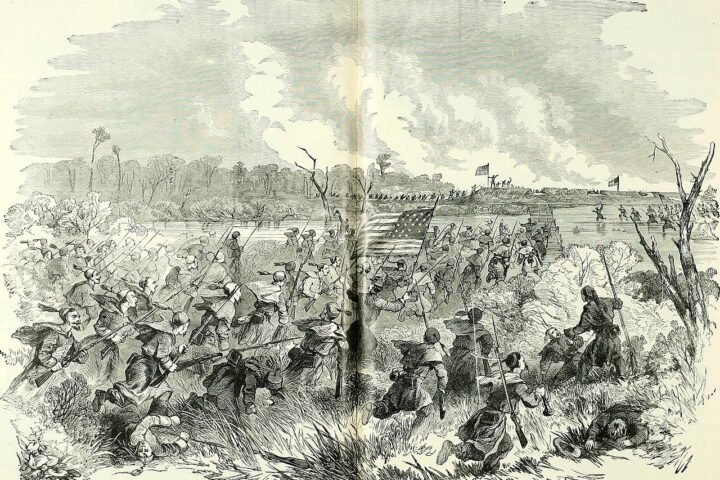
Within four days in February 1862, a Union amphibious force took Roanoke Island, wrecked the Confederate "Mosquito Fleet" and opened North Carolina's coast.
In the 1950s, a Greensboro contractor, a governor and three universities bet that thousands of acres of pine woods could keep North Carolina's graduates at home.
Thomas Wolfe's 1929 novel turned his Asheville boyhood into 'Altamont,' and the town recognized itself at once. It took years for the anger to cool.
In a few minutes before dawn on February 27, 1776, a Loyalist army met musket fire at a stripped bridge near Wilmington. North Carolina's royal government never recovered.
A powder ship that fizzled, a general who turned back, and a brutal night fight: how the Union took the sandy fortress guarding Wilmington, North Carolina.
In 1898 a New Bern pharmacist renamed his fountain drink Pepsi-Cola. It grew into a national franchise business, then collapsed in bankruptcy 25 years later.
Nine months after it stopped the CSS Virginia, the USS Monitor went down in a gale off Cape Hatteras. Its wreck was found in 1973, and its turret was raised in 2002.
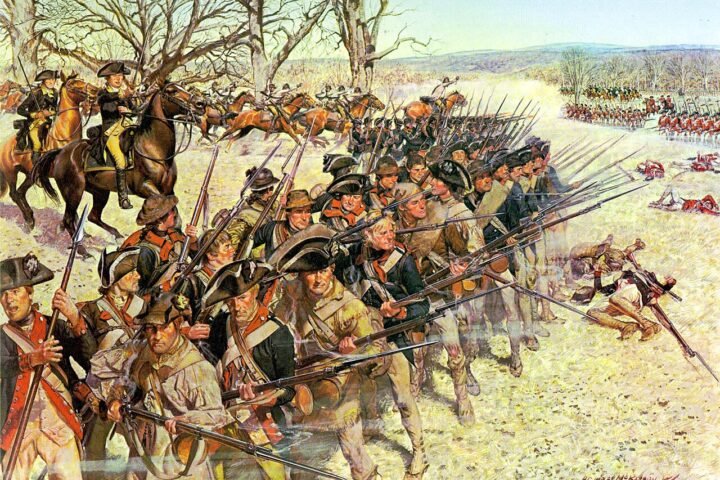
Lord Cornwallis won the field at Guilford Courthouse and lost a quarter of his army. Seven months later he surrendered at Yorktown. Here is how one led to the other.
In September 1711, Tuscarora and allied warriors struck settlements across North Carolina at once. The war that followed ended with a fallen fort and a nation's exile.
Stories by email
Stories from North Carolina and American history, every Friday. No spam, unsubscribe any time.
By signing up you agree to receive emails from us. You can unsubscribe at any time.