Civil Rights
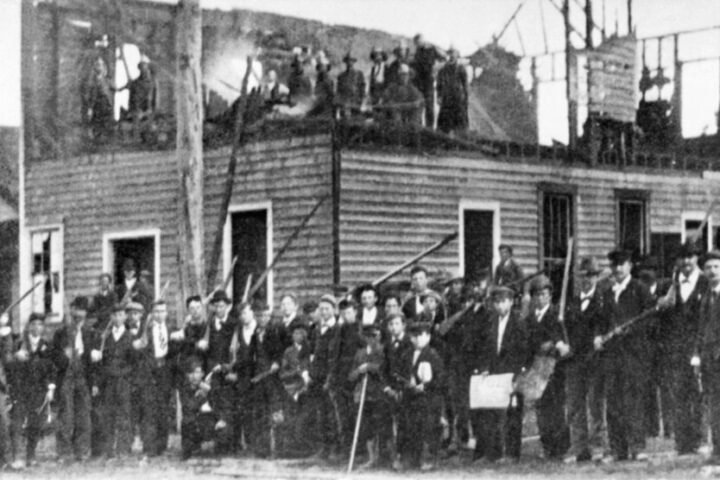
The Wilmington Coup of 1898: When a Multiracial Government Was Overthrown
In November 1898, armed white men in Wilmington, North Carolina, burned a Black newspaper, killed residents and forced out the elected city government.
In November 1898, armed white men in Wilmington, North Carolina, burned a Black newspaper, killed residents and forced out the elected city government.
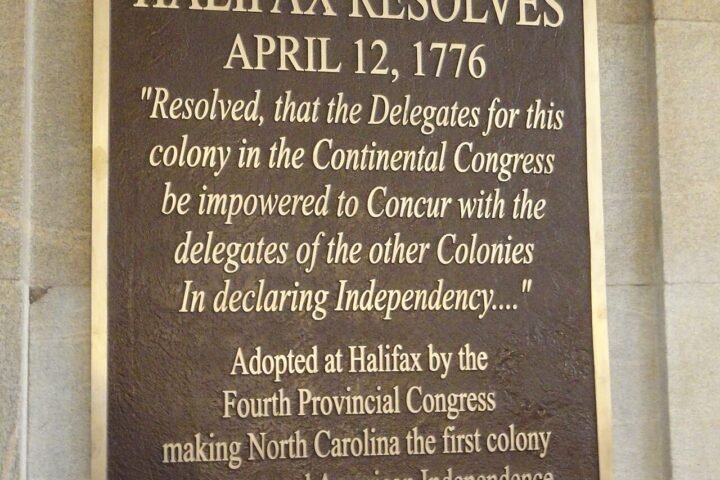
In April 1776, delegates in a small Roanoke River town told North Carolina's men in Philadelphia they could vote for independence. The wording was careful.
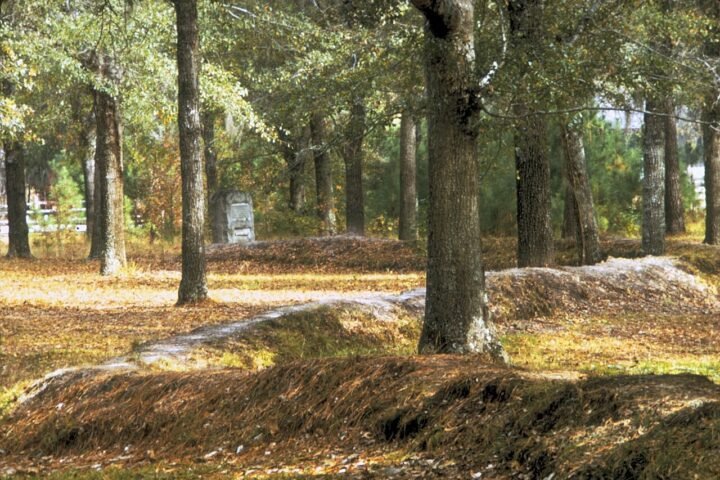
In a few minutes before dawn on February 27, 1776, a Loyalist army met musket fire at a stripped bridge near Wilmington. North Carolina's royal government never recovered.
In the 1950s, North Carolina's leaders tried to turn pine woods between three universities into a research park. For years it looked like a long shot.
A powder ship that fizzled, a general who turned back, and a brutal night fight: how the Union took the sandy fortress guarding Wilmington, North Carolina.
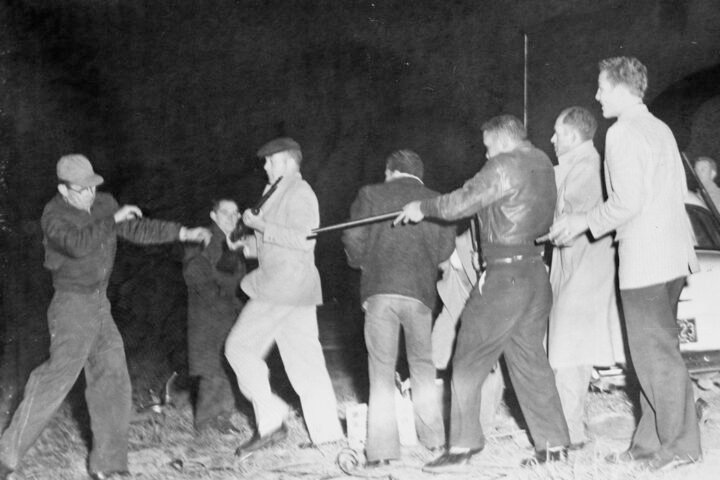
In January 1958, a Klan leader promised a rally against the Lumbee of Robeson County. Hundreds of Lumbee showed up first, and the night ended in a rout.
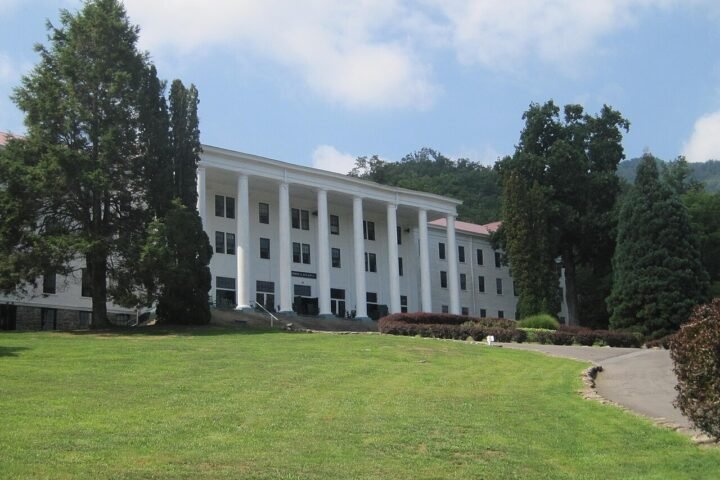
In a small North Carolina valley, a tiny college put the arts at the center of education and drew artists who reshaped American culture.
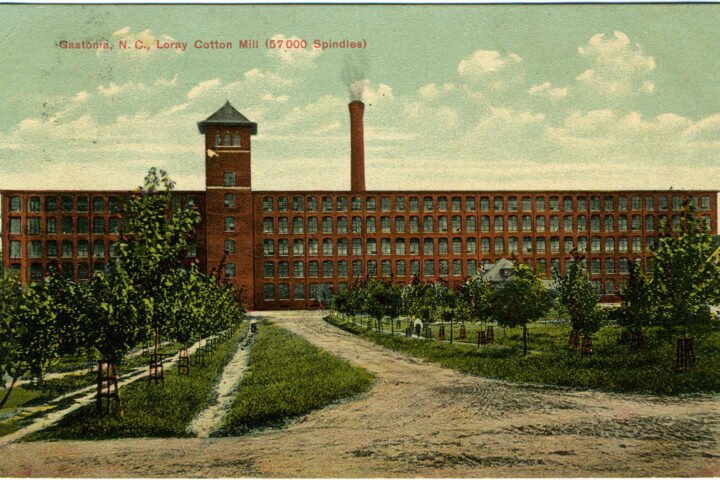
A strike at the South's largest textile mill ended in a police chief's death, a mistrial, and the roadside killing of a young balladeer and mother.
A boy found a yellow rock in a North Carolina creek, and his family used it as a doorstop for years. It was gold, and it started the country's first gold rush.
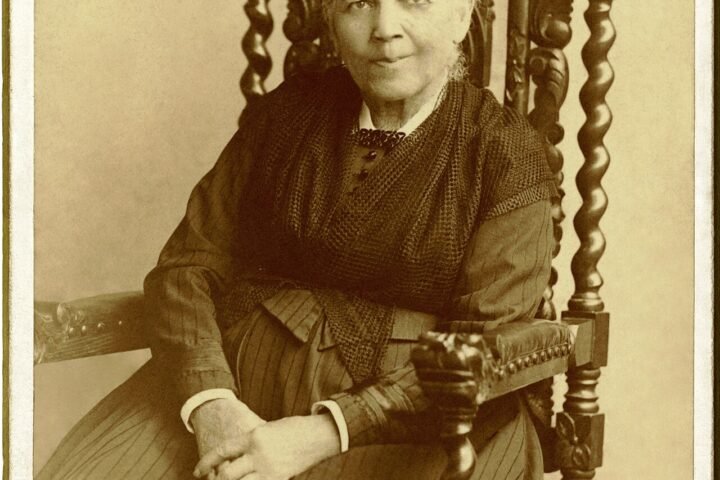
To stay near her children and flee the man who claimed to own her, Harriet Jacobs hid in a space too low to stand in. She stayed nearly seven years.