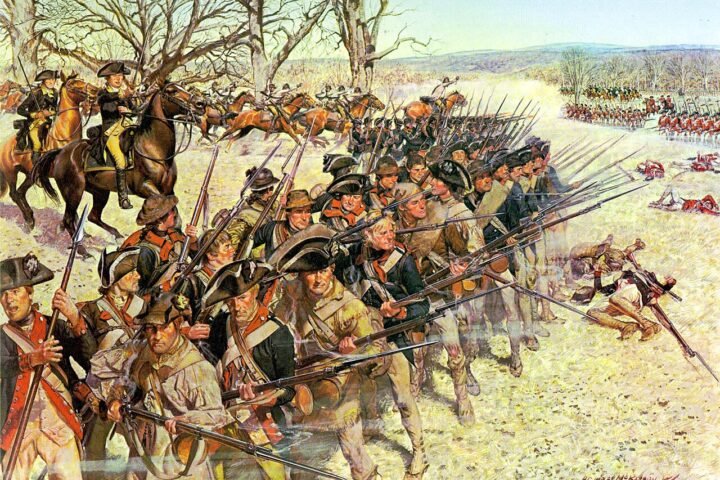
Guilford Courthouse, 1781: The Pyrrhic Victory That Led to Yorktown
Lord Cornwallis won the field at Guilford Courthouse and lost a quarter of his army. Seven months later he surrendered at Yorktown. Here is how one led to the other.
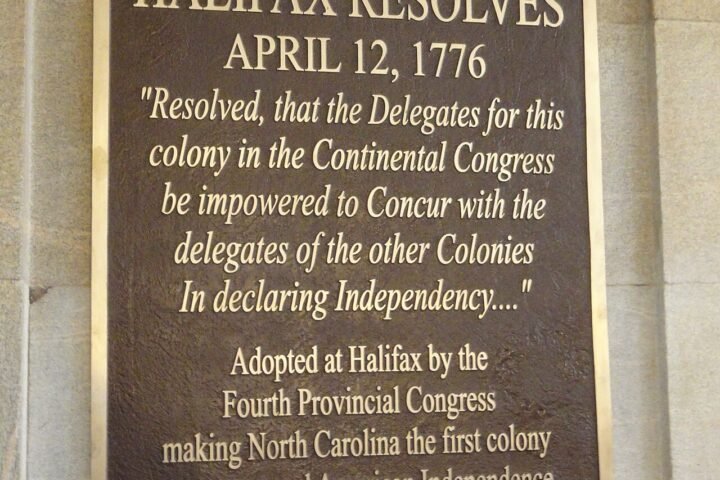
Three months before the Declaration, delegates in a small Roanoke River town told North Carolina's men in Philadelphia they could vote to break with Britain.
In September 1711, Tuscarora and allied warriors struck settlements across North Carolina at once. The war that followed ended with a fallen fort and a nation's exile.
In 1999 engineers jacked up a 4,800-ton brick tower on North Carolina's Outer Banks and pushed it 2,900 feet inland, a few feet at a time, to save it from the sea.
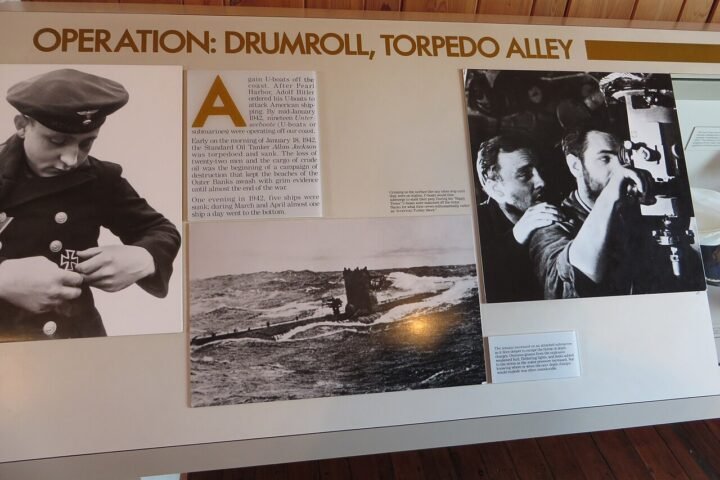
In early 1942, U-boats hunted tankers against the glow of American towns off Cape Hatteras. The toll was heavy before convoys and a British trawler's loss changed the war.
In May 1771, farmers who wanted honest fees and fair taxes met Governor Tryon's militia on a North Carolina creek. The fight lasted about two hours.
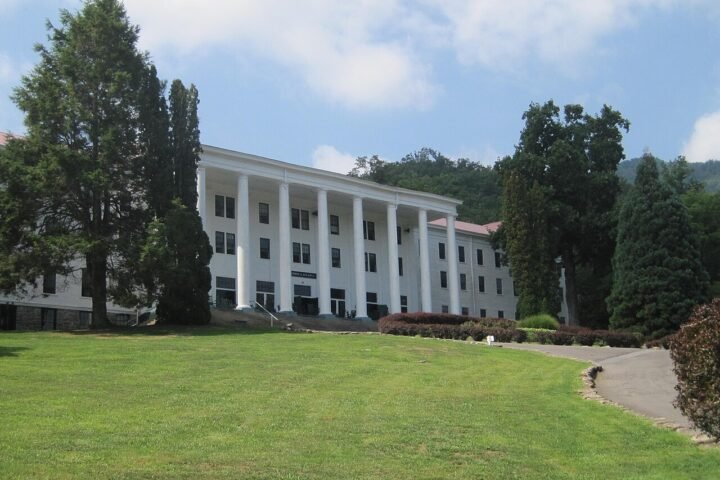
For 24 years a small, broke college in the Blue Ridge hosted the Alberses, Cage, Cunningham, Rauschenberg and Fuller, and changed American art.
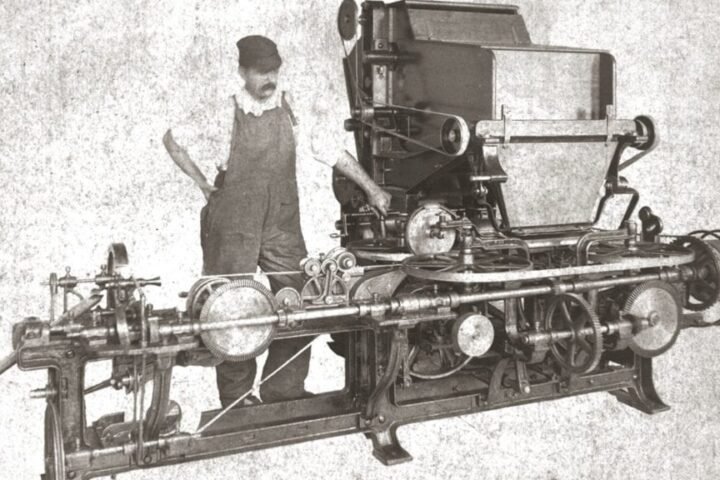
A Virginia inventor's machine, a North Carolina farm family and a gift for advertising created the American cigarette business, until the Supreme Court broke it up.
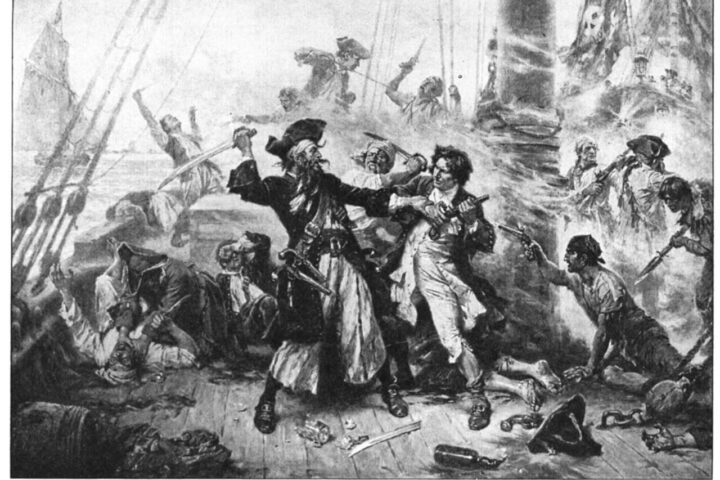
In November 1718 a Virginia-funded force cornered Blackbeard in Ocracoke Inlet. The fight ended his career and exposed a feud between two colonies.
A New Bern pharmacist renamed his soda-fountain drink Pepsi-Cola in 1898 and built a national business. Then a bet on sugar brought it down in 1923.