The Greensboro Sit-ins of 1960 and the Woolworth Lunch Counter
Four college freshmen sat down at a Greensboro lunch counter and refused to leave. Within weeks, the protest had spread across the South.
- When
- 1960
- Where
- Greensboro, Guilford County, North Carolina
On the afternoon of Monday, February 1, 1960, four young men walked into the F. W. Woolworth store on South Elm Street in Greensboro, North Carolina. They bought a few small items, then took seats at the lunch counter, which served only white customers. One of them asked for a cup of coffee. The waitress refused, and the four stayed where they were until the store closed.
They were freshmen at North Carolina Agricultural and Technical College: Ezell Blair Jr., David Richmond, Franklin McCain and Joseph McNeil. They had no organization behind them and no clear idea of what would follow. What they started became one of the defining protests of the civil rights movement.
A counter with a rule
In 1960, Greensboro had a reputation as a relatively moderate Southern city, but segregation still governed daily life. Black residents could shop in downtown stores, and Woolworth's took their money at most counters. Its lunch counter, though, was reserved for whites. The contradiction was plain to anyone who thought about it.
The four students had been talking about it in their dormitory at A&T, a public Black college in Greensboro. McNeil later said that an experience on a trip home had angered him: he was refused service at a bus terminal in Greensboro. The young men had also read about nonviolent protest, including Gandhi's. A local white clothing merchant, Ralph Johns, had encouraged them to act and arranged for a reporter to be alerted beforehand.
The sit-in was not new. Activists had held lunch counter protests in Durham in 1957 and in Wichita and Oklahoma City in 1958, and the Congress of Racial Equality had used the tactic in earlier years. What was different in Greensboro was how quickly it grew.
Day one and the days after
The students were not served, and they were not arrested. According to one account, the store manager, Clarence Harris, advised staff to ignore them in the hope they would get bored and leave, and a police officer who came in took no action against them. McCain later recalled that an elderly white woman told them she was proud of them, while a Black employee warned them they were hurting race relations. Both accounts come from the recollections of participants.
The four returned the next day with roughly twenty other students. By Thursday, February 4, white students from the Woman's College of the University of North Carolina in Greensboro had joined them, and the crowds had grown to the hundreds. Opponents and onlookers filled the store as well. On Saturday, February 6, a bomb threat forced Woolworth's to close for the day.
The protesters followed a strict code of conduct. They dressed neatly, studied at the counter, and did not respond to taunts. That discipline made the contrast with their opponents difficult to ignore, and it drew news reporters and photographers.
A movement spreads
Students in other cities read about Greensboro and copied it. Within two weeks, sit-ins had begun in several North Carolina cities, including Winston-Salem, Durham, Charlotte and Raleigh. Nashville students, who had been preparing for such action under the guidance of James Lawson, began their own sit-ins on February 13. By the end of March, sit-ins had reached roughly 55 cities in 13 states. Many participants were arrested, and in some places they were attacked.
The protests also created an organization. In April 1960, Ella Baker, an experienced organizer then serving as interim executive director of the Southern Christian Leadership Conference, convened student activists at Shaw University in Raleigh. Out of that meeting came the Student Nonviolent Coordinating Committee, known as SNCC. Baker urged the students to keep their own independence rather than become a youth branch of an older group, and they did.
Six months to service
In Greensboro, the first phase of the protest ended with a pause. In February the students agreed to a truce while a committee sought a settlement. When the talks produced nothing, the sit-ins resumed on April 1, the stores closed their lunch counters, and the students turned to picketing and a boycott; forty-five were arrested at Kress on April 21. When the college semester ended, many students left town, and Dudley High School students and local residents kept up the protests. Business at downtown stores had fallen during the campaign, which added to the pressure on store owners.
On July 25, 1960, the Greensboro Woolworth's quietly served Black customers at its lunch counter. Black employees of the store were the first people served. It had taken almost six months. The Kress store's lunch counter in Greensboro was integrated the same day.
The victory was limited. A single store in a single city had changed its policy, and most Southern lunch counters, restaurants and public places stayed segregated for years. Federal law did not ban discrimination in public accommodations until the Civil Rights Act of 1964.
Why it is remembered
The sit-ins showed that a small number of students, acting without permission from any established leader, could force a national debate. They brought a new generation into the movement and gave it a method, direct nonviolent action, that was later used in the Freedom Rides and in voter registration drives in the Deep South.
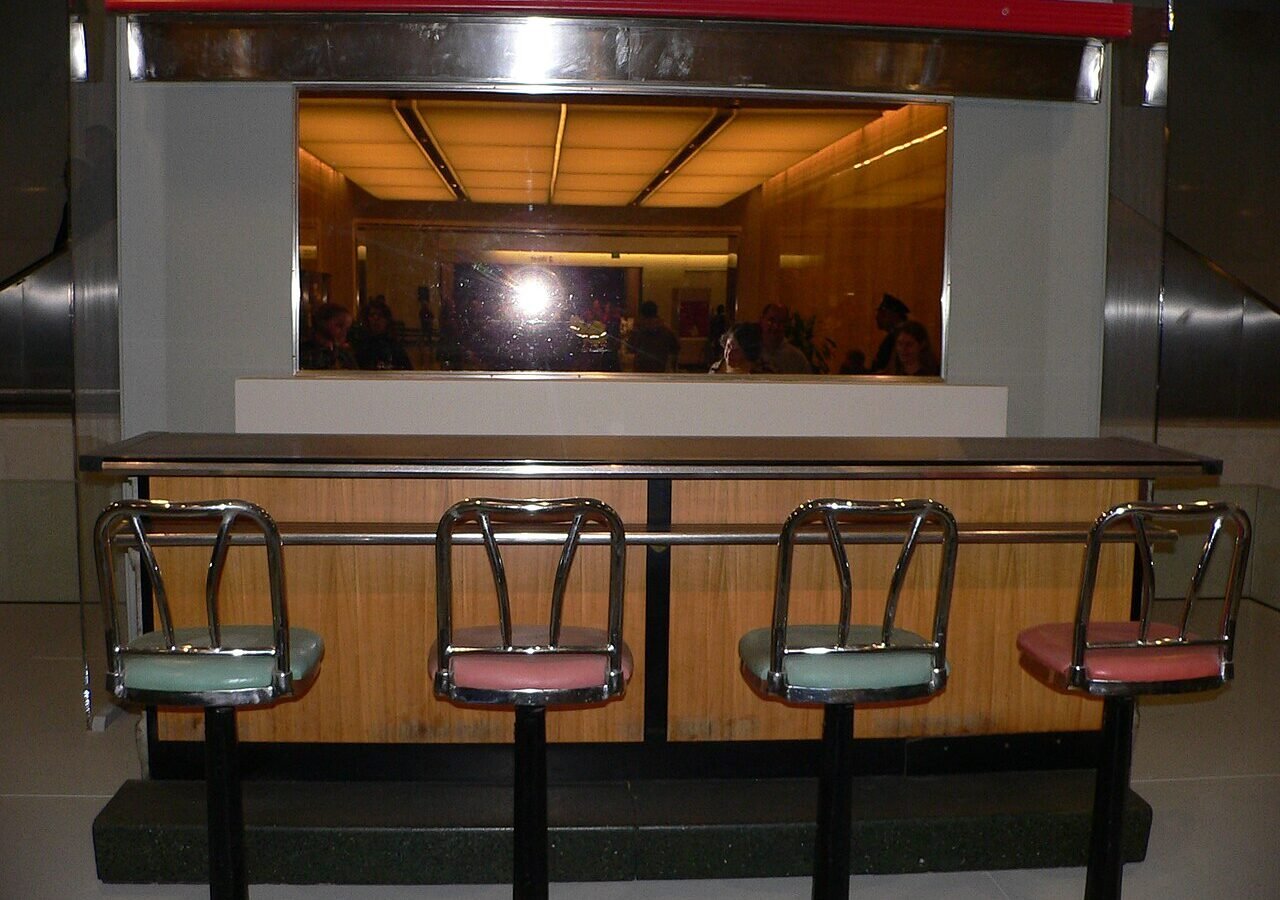
The Greensboro Woolworth's closed in 1993. Part of the original counter is now in the collection of the Smithsonian's National Museum of American History, and the building opened as the International Civil Rights Center & Museum in 2010, fifty years to the day after the first sit-in.
Sources
- Standing Their Ground: The Sit-In at the Greensboro Woolworth’s Store (February 1, 1960) (ncpedia.org)
- Greensboro sit-in (1960) (britannica.com)
- Greensboro Sit-In (northcarolinahistory.org)
- Greensboro Sit-Ins (ebsco.com)
- Greensboro Sit-Ins at Woolworth’s, February-July 1960 (pages.digitalgreensboro.org)
- How the Greensboro Four Sit-In Sparked a Movement (history.com)
Citation information
- Article title
- The Greensboro Sit-ins of 1960 and the Woolworth Lunch Counter
- Author
- admin
- Website name
- North Carolina Backstory
- URL
- https://northcarolinabackstory.com/the-greensboro-sit-ins-of-1960-and-the-woolworth-lunch-counter/
- Original published date
- October 19, 2026
We strive for accuracy and fairness. If you see something that doesn’t look right, contact us.