The North Carolina Fund, 1963: Terry Sanford’s Bid to Fight Poverty Through Community Action
In 1963, a North Carolina governor raised private money to test anti-poverty ideas before Washington had a plan. The results shaped federal policy and exposed its limits.
- When
- 1963
- Where
- Durham, Durham County, NC
In the early 1960s, poverty was widespread in North Carolina. By one account, 37 percent of residents lived below the poverty line in 1963. Poverty was visible across the state, but it had not yet become a national policy question with a federal budget behind it.
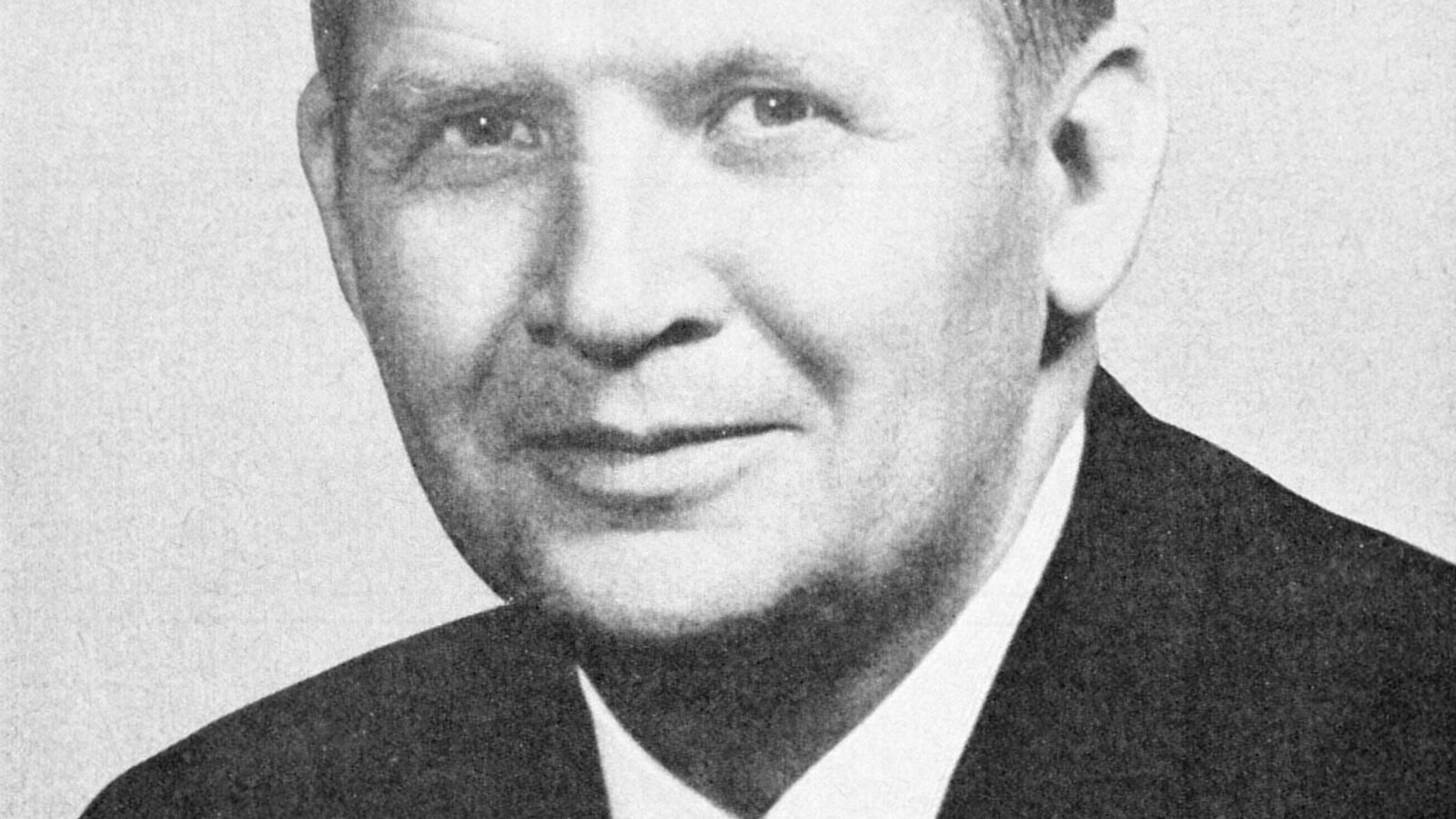
Terry Sanford, who had been elected governor in 1960 and took office in January 1961, decided that North Carolina should not wait. In 1963 he helped create a private nonprofit fund to pay for experiments in fighting poverty at the community level. The fund was described as the first project of its kind in the country, and it was set up before Congress had passed any law to fight poverty.
Private money before federal law
The North Carolina Fund was organized as a private nonprofit corporation rather than a state agency. That structure let it accept grants from foundations and donors without needing action from the General Assembly, and it let the fund try ideas that a legislature might have rejected. The largest single donor was the Ford Foundation, which committed $7 million in July 1963. The Z. Smith Reynolds and Mary Reynolds Babcock foundations also contributed money.
The fund's central idea was that poor communities should help design and run the programs meant to help them. Sanford and his advisers were influenced by the example of earlier efforts in education and by the belief that a state could test a model at small scale, measure what worked and then ask government to pay for it. The fund was a laboratory, not a permanent agency.
How the pilot projects worked
The fund's programs were concentrated in three regions of the state: the eastern counties, the Piedmont, and the mountain counties of western North Carolina. Projects ranged from daycare and adult literacy programs to tutoring and job training for young people.
Local community action agencies were the key structure, and the fund supported eleven of them across the state. The model called for poor residents, including Black residents, to take part in decisions about the programs meant to help them. Local leaders were not always eager to give poor people that political voice.
Where it ran into trouble
The fund's limits came from several directions. Local leaders in some areas were not eager to give poor people a political voice, and critics attacked some of its projects as divisive or un-American.
Money was also a constant problem. The Ford Foundation's $7 million was tied to a five-year demonstration, after which the program was to be dissolved. Projects that succeeded in one area could not easily be copied across the state without a steady public source of funds.
What policymakers took from it
The fund's most important effect was on Washington. When Congress passed the Economic Opportunity Act and President Lyndon B. Johnson signed it in August 1964, the law created a Community Action Program and an Office of Economic Opportunity to run the War on Poverty. Sargent Shriver, who led the new office, drew on the experience of community action experiments, including North Carolina's, as the federal program took shape.
The lessons were mixed. Community participation could mobilize people who had been left out of local planning, but it also produced conflict with entrenched local power. Pilot projects proved that some services worked, yet they also showed how hard it was to keep them going after the first grant ended. Sanford was chosen to lead Duke University in December 1969, served as its president until 1985, and sought the Democratic presidential nomination in 1972. The fund he built in 1963 remains one of the clearest early tests of how community action could work and where it strained.
Citation information
- Article title
- The North Carolina Fund, 1963: Terry Sanford’s Bid to Fight Poverty Through Community Action
- Author
- John. H.
- Website name
- North Carolina Backstory
- URL
- https://northcarolinabackstory.com/the-north-carolina-fund-1963-terry-sanfords-bid-to-fight-poverty-through-community-action/
- Original published date
- November 17, 2026
We strive for accuracy and fairness. If you see something that doesn’t look right, contact us.