Joan Little’s Jail Cell Verdict: The 1975 Trial That Made a Self-Defense Plea National News
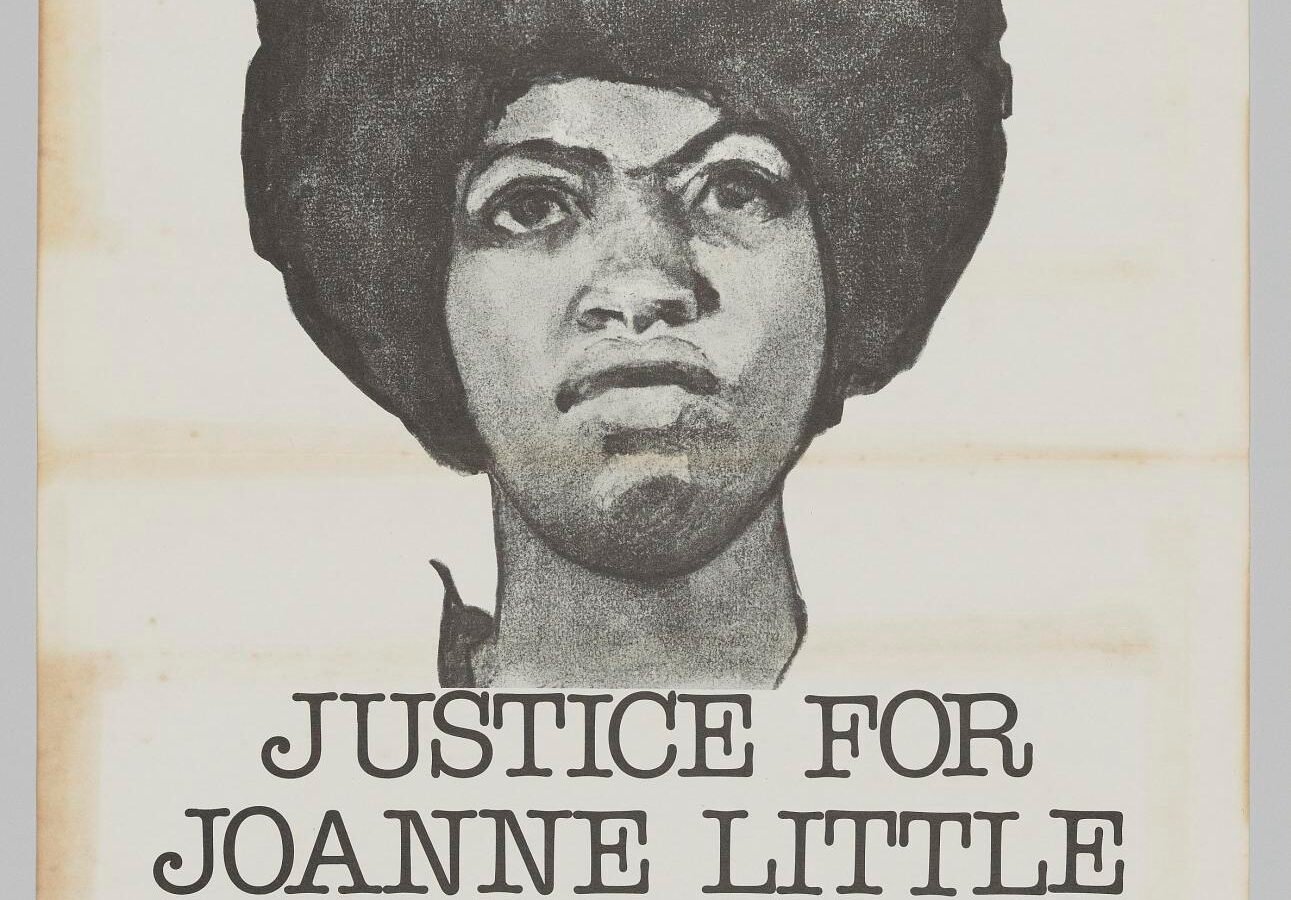
In 1974 a jailer died in a cell in rural North Carolina. The woman held there was charged with murder, and her 1975 acquittal made her case a national test of self-defense and prison abuse.
- When
- 1975
- Where
- Washington, Beaufort County, and Raleigh, Wake County, North Carolina
In late August 1974, a jailer was found dead on the bunk in a cell in the Beaufort County Jail in Washington, North Carolina. The prisoner who had been held in that cell, a 20-year-old Black woman named Joan Little, was gone.
Within months, her case had moved far beyond one small Southern county. By the time a jury in Raleigh acquitted her in August 1975, Little had become a symbol for women who said they had been sexually attacked in custody, and for critics who said the justice system did not treat Black women fairly.
A jailer dead in a cell
The Beaufort County Jail was a small facility in a rural eastern North Carolina county. The guard, Clarence Alligood, was found dead in the cell where Little had been held, with an ice pick in his body. Little was serving a sentence in the county jail for felony breaking and entering and larceny, convictions entered in June 1974.
Little said that Alligood had come into her cell, exposed himself and tried to force her into sex. She said she seized the ice pick and stabbed him to stop the attack. In the defense's account, this was a self-defense killing.
Prosecutors rejected that account. They argued that Little had lured the guard into her cell as part of an escape plan and had then killed him and fled. Both sides agreed that she left the jail after the death, and the disagreement over what happened in the cell became the center of the case.
A flight, an arrest and a change of venue
Little was not in custody when the state moved to charge her. She turned herself in to authorities in Raleigh in September 1974 and was charged with first-degree murder. The charge carried the possibility of a death sentence, which made the case a major concern for civil rights groups and for many women's organizations.
Her lawyers asked for the trial to be moved away from Beaufort County, arguing that local feeling against her would make a fair trial impossible. The court granted a change of venue, and the trial was moved to Wake County, where the state capital, Raleigh, is located. One account says the judge cited security and media facilities rather than an inability to get a fair trial locally. The move to a larger jury pool was a key decision for the defense.
Scientific jury selection
The defense used a method known as scientific jury selection, in which consultants studied the attitudes of prospective jurors and helped lawyers decide whom to challenge. It was a relatively new tactic in 1975, and it drew attention from lawyers and reporters who wondered whether it could tilt a trial.
The jury that was seated included six Black and six white members, according to most accounts. Accounts of the trial agree that the selection process was closely watched, but they differ in how much weight they give it. Some observers credited the consultants with helping the defense. Prosecutors and others argued that the jury's verdict rested on the evidence, not on the selection method.
Forensic evidence was contested throughout. Semen was found on the guard's body, and the two sides read it differently. The defense said it supported Little's account of a sexual attack. The prosecution argued that it did not establish that Alligood had forced her and that other explanations were possible. Testimony about the guard's behavior and about jail conditions was also disputed.
The verdict and the debate it fed
On August 15, 1975, the jury acquitted Little of murder. The verdict was reported across the country, and it made her one of the best-known defendants in the United States that year. Supporters saw it as a rare acquittal for a Black woman accused of killing a white man, and as recognition that a woman in custody could defend herself against sexual assault.
The case also fed a wider debate about sexual abuse of women prisoners and about self-defense claims by women in custody.
The trial did not settle the facts. Some people who followed the case believed Little acted in self-defense, and others believed she had killed the guard without legal justification. Both views rested on the same disputed evidence, and the verdict did not resolve the disagreement.
Citation information
- Article title
- Joan Little’s Jail Cell Verdict: The 1975 Trial That Made a Self-Defense Plea National News
- Author
- Dylan Thomas
- Website name
- North Carolina Backstory
- URL
- https://northcarolinabackstory.com/joan-littles-jail-cell-verdict-the-1975-trial-that-made-a-self-defense-plea-national-news/
- Original published date
- November 21, 2026
We strive for accuracy and fairness. If you see something that doesn’t look right, contact us.