The Waldensians Arrive at Valdese: Italian Alpine Settlers Start a Burke County Colony, May 1893
In 1893, Waldensian families from the Italian Alps reached the Burke County hills to build a Protestant colony, with the first group arriving in May. Their town, Valdese, still carries the name of their faith.
- When
- 1893
- Where
- Valdese, Burke County, North Carolina
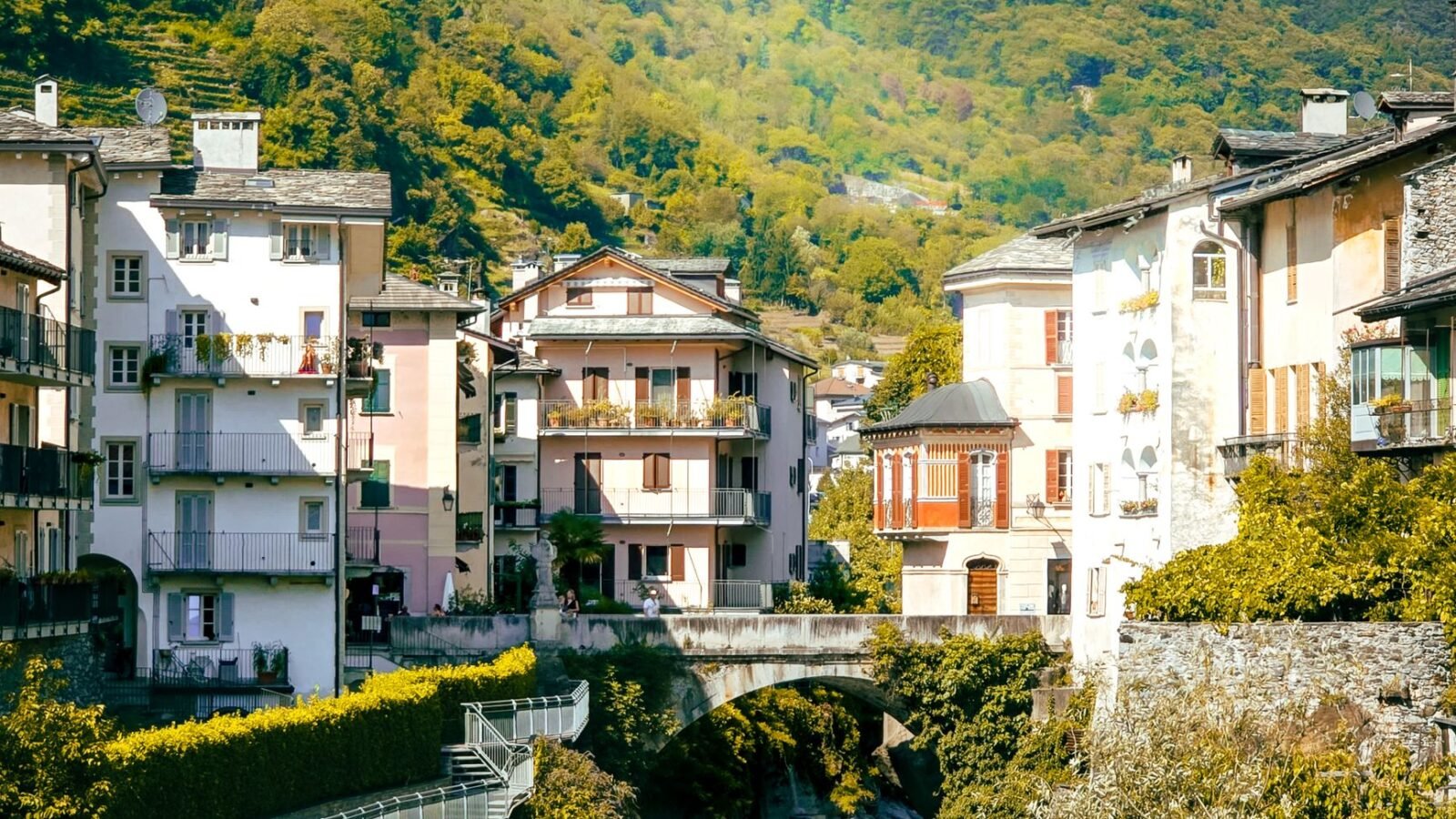
In the spring of 1893, families who had grown up in the high valleys of Piedmont, in northwestern Italy, reached the rolling hills of Burke County, North Carolina. The first group of 29 arrived on May 29, and 178 more joined them in November. They had crossed an ocean and a continent to get there. Their destination had a name they had chosen for themselves: Valdese, a word that pointed back to the Waldensians, one of the oldest Protestant communities in Europe.
The colony they started was not an accident of migration. It was arranged through a Waldensian church committee and an American-backed land company, the Valdese Corporation.
A church that survived in the mountains
The Waldensian movement traces its origins to Peter Waldo, a merchant in Lyon who gave away his fortune around 1173 and then began preaching. The Catholic Church condemned the movement in the 1180s, and its followers were hunted for heresy for centuries. Many took refuge in the narrow valleys of the Cottian Alps, where the community kept its own pastors, schools and worship.
In 1532, the Waldensians formally joined the Reformation at a synod held at Chanforan, a decision that kept them Protestant in a Catholic country. Their valleys were a small, isolated enclave under the House of Savoy. Only in 1848 did King Charles Albert of Sardinia issue letters patent on February 17 that granted Waldensians civil and political rights.
That legal change opened the door to movement, but it did not solve the basic problem of making a living. Land in the Alpine valleys was steep, scarce and divided into small plots. Many families looked overseas for land of their own.
Why families looked across the Atlantic
Waldensian emigration did not begin with North Carolina. Groups had already moved to South America by the 1850s, including settlers in Uruguay.
The Valdese church joined the Presbyterian Church in 1895, when it was admitted to the Concord Presbytery, and that tie gave the congregation an organizational base. Some families continued to speak French and the old valley dialect.
Marvin F. Scaife, a Pittsburgh capitalist who owned land near Morganton, promoted the emigration, and two Waldensian delegates, Jean Bounous and Louis Richard, inspected land in Burke County.
A promoter and a land deal
In June 1893, the Valdese Corporation, which included Waldensians and American capitalists, bought about 10,000 acres for $25,000 on credit from the Morganton Land Company.
The Waldensians were not simply laborers recruited for someone else's fields. The Valdese Corporation first held the land, but it was dissolved and families purchased individual farms.
The first years were hard. The soil was infertile, the layout of the land kept families some distance from their neighbors, and the language barrier made dealings with Burke County residents difficult. The Reverend Barthelemy Soulier arrived in June 1894 and led the colony for seven years.
From colony to mill town
The settlement grew into the town of Valdese, which became a community of French- and Italian-speaking families who kept their faith and their identity while learning English and adapting to American life. The church and school were central to that effort, and Valdese remained identified with Waldensian Protestantism long after its first generation had passed.
Industry followed. The Waldensian Hosiery Mill was established in 1901 and the Valdese Manufacturing Company, a yarn factory, in 1913. In 1915 Waldensian settlers founded the Waldensian Swiss Embroidery Company, the firm that later became Valdese Weavers. Valdese became a hub of the American textile industry.
The colony is best understood as a meeting point of two histories. It carried a religious tradition that had survived centuries of persecution in the Alps, and it took root in a region that needed people and was eager to offer land. Valdese still marks that meeting, in its name, its church and its memory of the families who arrived in 1893.
Citation information
- Article title
- The Waldensians Arrive at Valdese: Italian Alpine Settlers Start a Burke County Colony, May 1893
- Author
- Dylan Thomas
- Website name
- North Carolina Backstory
- URL
- https://northcarolinabackstory.com/the-waldensians-arrive-at-valdese-italian-alpine-settlers-start-a-burke-county-colony-may-1893/
- Original published date
- November 22, 2026
We strive for accuracy and fairness. If you see something that doesn’t look right, contact us.